
TP-Link AXE5400 Tri-Band WiFi 6E Router, 2025 PCMag Editors' Choice
4.3Editor score
Tri-Band WiFi 6E technology
Near-zero latency on 6 GHz
EasyMesh compatible for range
Discover the top low latency WiFi routers for gaming and streaming. This guide compares speed, coverage, and features to help you choose the perfect network.
Finding the right low latency WiFi router is essential for smooth gaming and streaming. Modern routers offer advanced technologies to reduce lag and ensure stable connections for all your devices.
We evaluated ten top models based on speed, coverage, and special features. Each product was analyzed for its ability to handle multiple devices without performance drops during peak usage times.
Each pick highlights key strengths and potential trade-offs to help you decide. Prices and availability may change over time, so check current listings before making your final purchasing decision today.
4.3Editor score

4.6Editor score
4.3Editor score
This side-by-side comparison highlights the key specifications and features of each router to help you find the best fit for your home network needs.
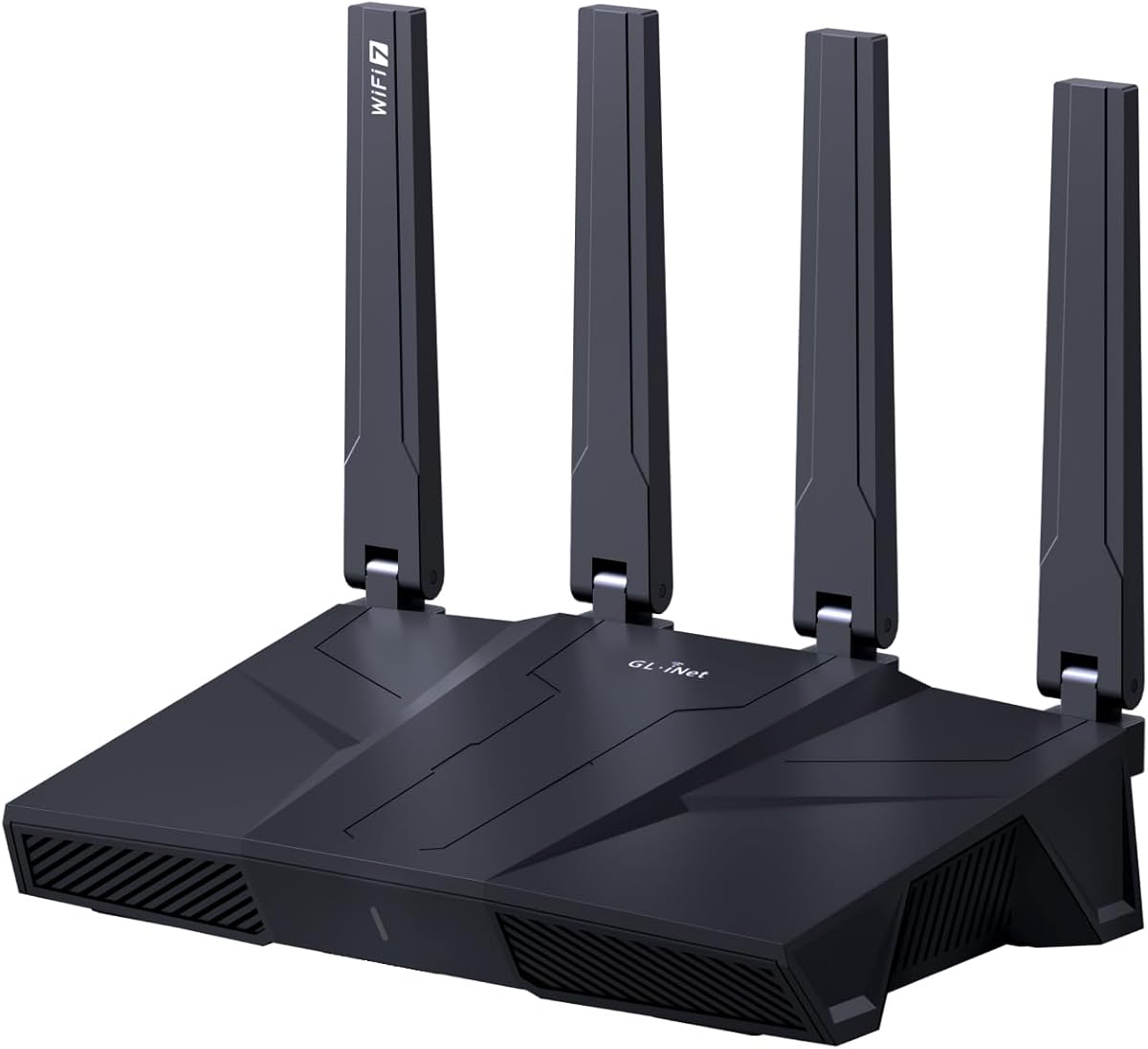



The GL.iNet GL-MT6000 Flint 2 stands out as a top choice for users seeking a balance of performance and control. With a rating of 4.6 stars, it delivers WiFi 6 speeds up to 6 Gbps ensuring that your network can handle intensive tasks without dropping connections. The inclusion of dual 2.5G ports makes it future-ready for high-speed internet plans while the OpenVPN and Wireguard support offer secure private connections for remote work or gaming.
We may earn a commission when you buy through this link, at no additional cost to you.
Performance in this router is driven by its robust hardware and flexible software environment. It supports over a hundred devices simultaneously which is ideal for smart homes with many connected gadgets. The AdGuard Home support allows you to block unwanted tracking and ads at the network level improving privacy and reducing bandwidth waste. Whether you are streaming 4K content or engaging in competitive online gaming, the router maintains stable connections that minimize latency and jitter effectively.
While the router offers many benefits, there are some trade-offs to consider. The initial setup requires a firmware update to ensure optimal performance which might be an extra step for less tech-savvy users. Additionally, the web admin panel is powerful but can have a learning curve compared to simpler consumer interfaces. However, these minor inconveniences are outweighed by the flexibility and power the device provides for advanced users who need more control over their network settings.
If you are a gamer or a power user who values speed and customization, this router is an excellent investment. Its ability to handle high traffic loads and provide secure VPN tunnels makes it versatile for various needs. We recommend updating the firmware immediately after setup to unlock its full potential and enjoy a superior user experience with minimal latency and maximum throughput for your daily activities.
Wireguard and OpenVPN speeds reach up to 900Mbps and 880Mbps respectively allowing secure connections without sacrificing too much bandwidth.
With higher storage capacity this router can cater to over a hundred devices ensuring stable connections even in crowded smart home environments.
We may earn a commission when you buy through this link, at no additional cost to you.
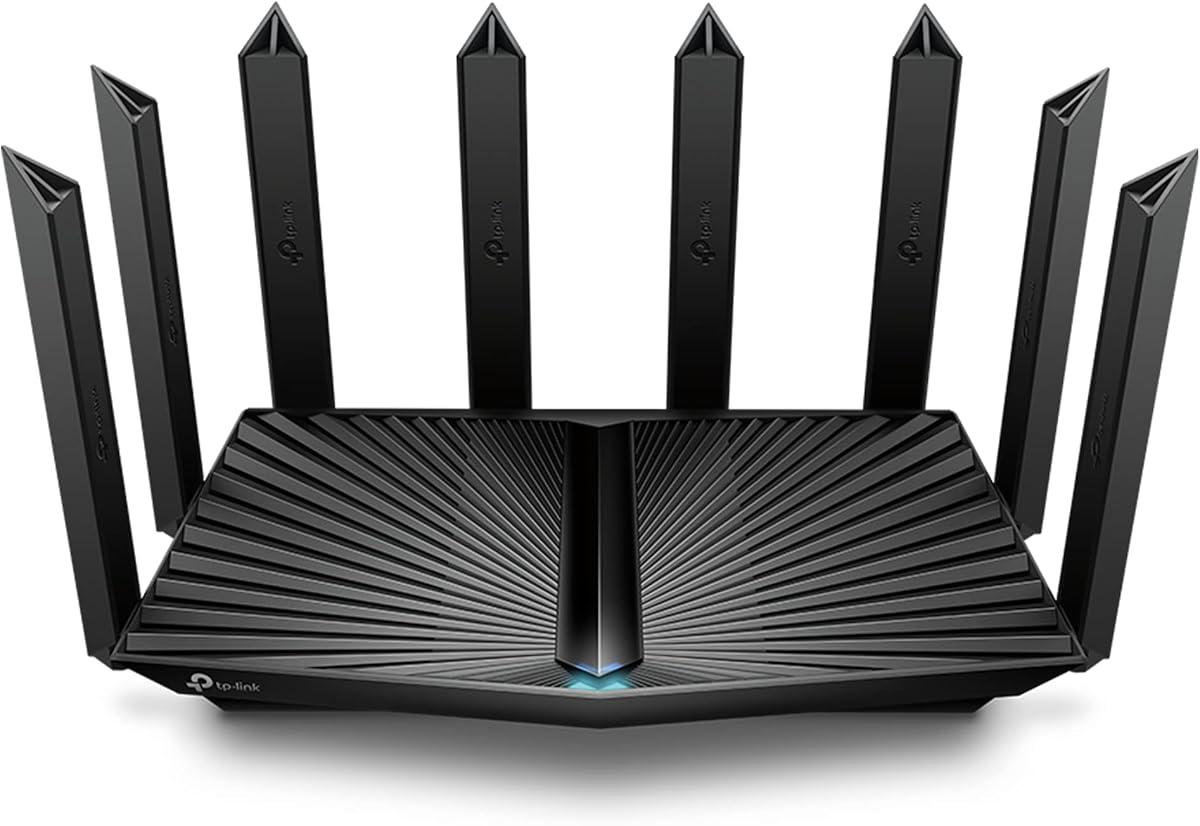
The TP-Link AXE5400 is a fantastic option for budget-conscious users who still want access to the latest WiFi 6E technology. Rated at 4.3 stars it brings the 6 GHz band to the mass market offering more bandwidth and near-zero latency for responsive gaming and video chatting. With speeds up to 5400 Mbps across three bands it ensures that everyone in your home can stream download and game simultaneously without noticeable slowdowns or congestion issues.
We may earn a commission when you buy through this link, at no additional cost to you.
Key strengths of this router include its ability to connect multiple devices efficiently using OFDMA technology which increases capacity by four times. The unique housing design aids in heat dissipation ensuring long-term reliability while the 512 MB High-Speed Memory supports smooth processing of network tasks. TP-Link HomeShield provides basic security and parental controls out of the box keeping your network safe without requiring additional subscriptions or complex configurations to manage effectively.
Despite its many advantages there are limitations to keep in mind. The lack of a 2.5G port means it may not fully utilize multi-gigabit internet plans in the future. Also, while the basic settings are user-friendly those seeking advanced networking controls might find them limited compared to higher-end models. However, for most households looking for a reliable and affordable upgrade from older routers, this device offers exceptional value and performance.
This router is perfect for families or casual gamers who need a solid upgrade without breaking the bank. The introduction of the 6 GHz band significantly reduces interference and improves responsiveness for latency-sensitive applications. We recommend checking if your internet plan benefits from multi-gigabit speeds before deciding but for most users this router provides a seamless and fast wireless experience.
The 6 GHz band brings more bandwidth and near-zero latency enabling more responsive gaming and video chatting without congestion from older devices.
Extend network range easily by adding EasyMesh-compatible routers or extenders to eliminate dead zones and lag as you move across your home.
We may earn a commission when you buy through this link, at no additional cost to you.
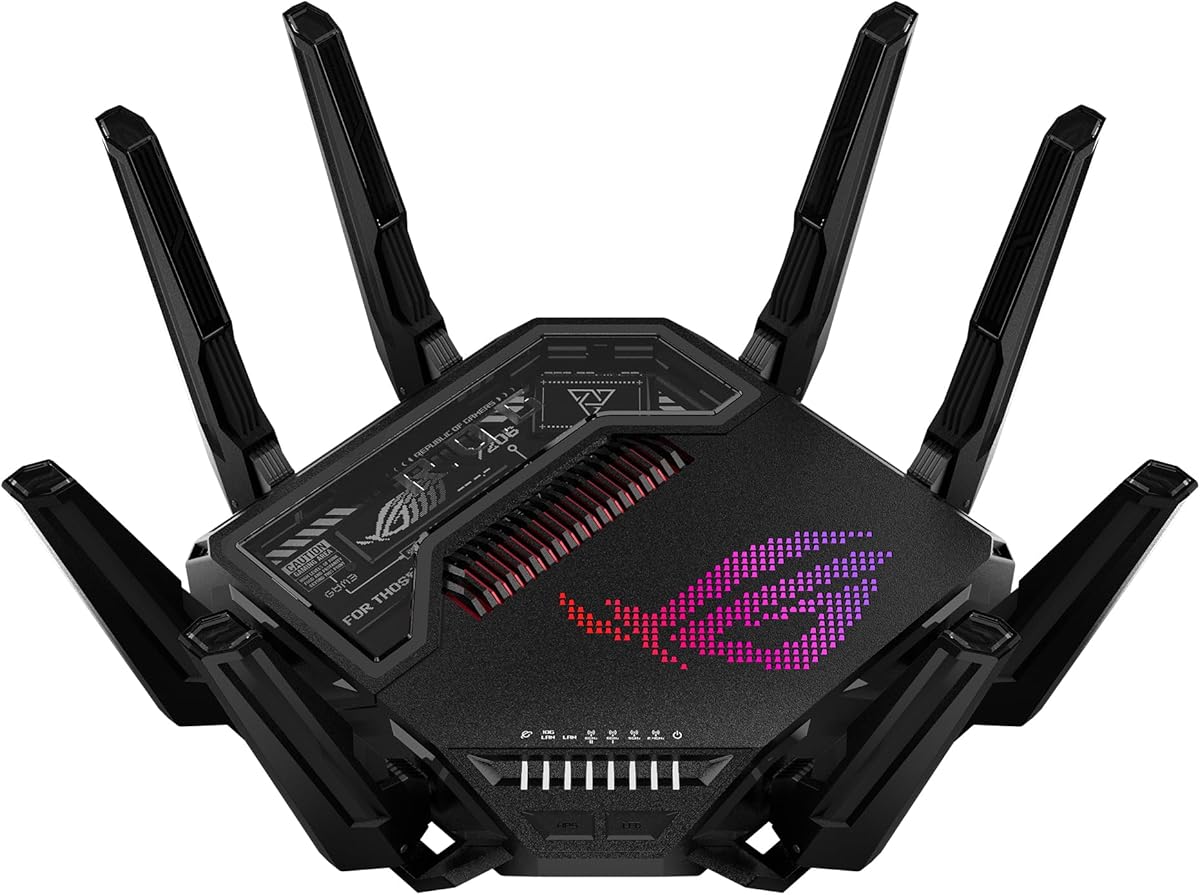
For enthusiasts who demand the absolute best performance the ASUS ROG Rapture GT-BE98 Pro is a powerhouse. With a rating of 4.3 stars it delivers WiFi 7 speeds up to 30 Gbps which is nearly double the capacity of standard WiFi 6 routers. This quad-band router supports new 320MHz channels in the 6 GHz band significantly increasing network throughput and ensuring that even the most demanding applications run smoothly without any bottlenecks or interference issues.
We may earn a commission when you buy through this link, at no additional cost to you.
The standout feature is its Triple-Level Game Acceleration which optimizes PC gaming traffic from your device all the way to the game server. Cutting-edge external dual-feeding antennas boost coverage and signal strength ensuring that every corner of your home gets a strong connection. With dual 10G ports and quad 2.5G ports you have immense flexibility for wired connections allowing you to maximize multi-gig internet plans for your gaming rigs and NAS drives.
While the performance is top-notch the price reflects its premium positioning. It might be overkill for users with smaller homes or slower internet plans who do not need such extreme speeds. Additionally, setting up advanced gaming features may require some technical knowledge to fully benefit from the hardware capabilities. However, for serious gamers and tech enthusiasts, this router provides an unmatched experience that justifies the investment.
This router is ideal for large homes with multiple heavy users and high-speed internet plans. Its ability to handle massive data transfers with minimal latency makes it a future-proof choice for evolving smart home needs. We recommend it for those who want the cutting edge of WiFi technology and are willing to pay for the best possible network performance available today.
Beyond-fast WiFi 7 with new 320MHz channels increases network capacity and throughput with speeds up to 30 Gbps for future-proof performance.
Triple-Level Game Acceleration boosts your PC gaming traffic every step of the way from your PC gaming port all the way to the game server.
We may earn a commission when you buy through this link, at no additional cost to you.
The GL.iNet GL-BE9300 Flint 3 is designed for users who want the latest WiFi 7 technology with a focus on security and connectivity. With a rating of 4.3 stars it delivers speeds up to 9 Gbps and features Multi-Link Operation to reduce latency and improve connectivity in high-density environments. The five 2.5G ports provide ample wired connections for gaming rigs NAS drives and smart TVs ensuring that your fastest devices get the bandwidth they need to perform effectively.
We may earn a commission when you buy through this link, at no additional cost to you.
Performance is enhanced by MLO technology which allows simultaneous transmission across bands to increase capacity and reduce lag. The router supports over a hundred devices making it suitable for large households with many connected gadgets. AdGuard Home is supported for blocking unwanted tracking and ads while parental controls help you manage screen time and ensure a safer digital environment for your family without additional subscriptions or software.
Like other GL.iNet models setting up the router requires a firmware update to ensure optimal performance and security. The web admin panel offers powerful tools but may take time to master for users new to advanced routing features. Despite these initial steps the device offers exceptional stability and control over your network traffic making it a reliable choice for power users and families alike.
This router is best suited for tech-savvy users who want a balance of raw speed and advanced features. Its support for VPNs and DNS filtering makes it a strong choice for privacy-conscious individuals. We recommend it for anyone seeking a future-proof WiFi 7 router that can handle a high density of devices while maintaining low latency for gaming and streaming.
MLO Technology delivers ultra-fast speeds significantly reduced latency and improved connectivity in high-density environments through cutting-edge innovations.
Experience seamless Wi-Fi coverage throughout your home with performance designed for long-range wifi covering up to 2000 square feet.
We may earn a commission when you buy through this link, at no additional cost to you.
The NETGEAR Nighthawk WiFi 7 Router is built to keep up as your connected home grows with streaming video calls gaming and smart home devices. Rated at 4.3 stars it delivers up to 9.3 Gbps across 2.4 GHz 5 GHz and 6 GHz bands which is 2.4x faster than WiFi 6. The added 6 GHz band gives your fastest devices their own lane so nothing slows down and you can enjoy consistent performance throughout your home.
We may earn a commission when you buy through this link, at no additional cost to you.
Coverage is a major strength of this router which delivers up to 2500 sq ft of coverage for up to 100 devices. Multi-gig ready wired connections include a 2.5 Gig WAN port and two 2.5 Gig LAN ports to connect your modem and gaming rigs for max speed. The Nighthawk app allows you to manage WiFi run speed tests and set up guest networks from anywhere making it easy to keep your network secure and optimized.
While the router performs well physical barriers like walls floors and interference can reduce range in some cases. Also while NETGEAR Armor security offers great protection it requires a separate subscription after the free trial ends. These factors are worth considering if you have a large multi-story home or are on a tight budget for monthly services beyond the router itself.
This router is an excellent choice for families with large homes who need reliable coverage and fast speeds. The intuitive app simplifies network management for users of all tech levels. We recommend it for anyone looking to upgrade to WiFi 7 without compromising on ease of use or coverage area while enjoying high-speed wired and wireless connections.
Set up and manage your network with the free Nighthawk app on iOS or Android for guided setup and remote monitoring.
Plug your modem or gateway into the 2.5 Gig WAN port to unlock multi-gig internet plans for faster wired speeds.
We may earn a commission when you buy through this link, at no additional cost to you.
The NETGEAR Nighthawk WiFi 7 Router RS90 offers a budget-friendly entry into the WiFi 7 world with a rating of 4.3 stars. It delivers up to 3.6 Gbps across 2.4 GHz and 5 GHz bands which is 1.2x faster than WiFi 6 ensuring smooth performance for streaming gaming and smart home devices. The router covers up to 2000 sq ft making it suitable for medium-sized homes where full coverage is needed without excessive cost or complexity.
We may earn a commission when you buy through this link, at no additional cost to you.
Key strengths include its easy setup via the Nighthawk app which guides you through configuration and allows remote management. MU-MIMO and OFDMA let multiple devices send and receive data simultaneously reducing congestion and improving overall efficiency. It includes basic security features out of the box and automatic firmware updates to help protect your family from common online threats without needing extra configurations.
As a dual-band router it does not have the extra 6 GHz band found in tri-band models which may limit capacity in very dense environments. Additionally NETGEAR Armor security requires a subscription after the trial which might be a consideration for budget-conscious buyers. However for most users the router offers a solid upgrade path to WiFi 7 with reliable performance and easy management tools.
This router is perfect for households looking to upgrade their wireless performance without a large investment. It handles multiple devices well and provides fast speeds for everyday tasks. We recommend it for anyone seeking a reliable and user-friendly WiFi 7 experience that balances cost and features effectively for medium-sized homes.
MU-MIMO and OFDMA let multiple devices send and receive data simultaneously to increase throughput and reduce lag effectively.
Download the free Nighthawk app on iOS or Android for guided setup and remote management of your home network.
We may earn a commission when you buy through this link, at no additional cost to you.
The TP-Link Archer BE230 is a compact yet powerful option for those seeking WiFi 7 technology in a dual-band design. Rated at 4.2 stars it delivers up to 2882 Mbps on 5 GHz and 688 Mbps on 2.4 GHz which is enough for 4K8K streaming and AR/VR gaming. The next-gen 2.0 GHz quad-core processor manages high throughput effortlessly ensuring fast connections with minimal latency even during heavy data transmissions.
We may earn a commission when you buy through this link, at no additional cost to you.
Performance is boosted by Multi-Link Operation and 4K-QAM which increase reliability and data capacity for all your devices. It features one 2.5G WAN/LAN port and one 2.5G LAN port to break the 1G barrier for seamless high-speed connectivity to multiple LAN devices. This makes it ideal for users who want multi-gigabit internet speeds without the cost of a tri-band model with extra bands.
While it offers great value the lack of a 6 GHz band means it cannot fully utilize the lowest latency frequencies available in WiFi 7. Also, support response can vary depending on your region and specific issue. However for most home networks the router provides excellent speed and stability. It supports EasyMesh to extend range and includes comprehensive parental controls to keep your home network safe.
This router is best for users who want to adopt WiFi 7 without spending on advanced tri-band features. It is particularly suitable for those with multi-gigabit internet plans needing fast wired connections. We recommend it for anyone looking for a future-proof dual-band router that balances speed reliability and modern features effectively.
Experience power and precision with a state-of-the-art processor that effortlessly manages high throughput to eliminate lag.
Maximize Gigabitplus internet with one 2.5G WAN/LAN port and one 2.5G LAN port plus three additional 1 Gbps LAN ports.
We may earn a commission when you buy through this link, at no additional cost to you.
The GL.iNet GL-BE6500 Flint 3e combines high-speed gaming performance with robust VPN capabilities. With a rating of 4.2 stars it delivers up to 6.5 Gbps and uses MLO and 4K-QAM to reduce latency and improve connectivity in high-density environments. The router covers up to 2500 square feet ensuring strong signal strength across large spaces and supports over a hundred devices for stable connections in busy households.
We may earn a commission when you buy through this link, at no additional cost to you.
A major strength is its VPN performance where Wireguard and OpenVPN speeds reach up to 1100 Mbps allowing secure private connections without sacrificing much bandwidth. AdGuard Home support lets you block unwanted tracking and ads at the network level improving privacy for all connected devices. Parental controls with Bark integration help parents manage screen time and online safety to create a balanced digital environment.
As with other GL.iNet models you must update the firmware upon initial setup to ensure optimal performance. The web admin panel is powerful but might require some technical expertise to configure fully. Despite this initial step the router offers a secure and fast experience. It is particularly useful for users who prioritize privacy and need a reliable router for both home and gaming.
This router is ideal for gamers and privacy-focused users who need high speeds and secure connections. Its VPN performance is among the best in its class allowing you to game securely from anywhere. We recommend it for anyone seeking a balance of speed connectivity and security features in a modern WiFi 7 package.
Wireguard VPN and OpenVPN both deliver speeds of up to 1100 Mbps giving you complete control over your gaming streaming and working bandwidth.
Experience enhanced online connectivity with our higher storage capacity catering to over a hundred devices for seamless performance.
We may earn a commission when you buy through this link, at no additional cost to you.
The TP-Link AX6000 Archer AX80 is a robust router designed to level up your Wi-Fi game with Wi-Fi 6 technology. Rated at 4.4 stars it provides up to 4804 Mbps on 5 GHz and 1148 Mbps on 2.4 GHz ensuring vast coverage with eight high-gain antennas. The 2.5G Multi-Gigabit Port allows you to break through gigabit speeds for wired connections making it future-proof for multi-gig internet plans.
We may earn a commission when you buy through this link, at no additional cost to you.
Its key strengths include MU-MIMO and OFDMA technology which boost throughput and efficiency of your Wi-Fi network by allowing multiple data streams simultaneously. This reduces latency and ensures that every connected device gets the bandwidth it needs for smooth performance. TP-Link HomeShield provides basic security and parental controls while OneMesh support lets you extend your home Wi-Fi seamlessly with compatible range extenders.
While the router lacks a 6 GHz band it still offers strong performance for most households. The VPN client support is useful for accessing remote servers without installing software on every device. However advanced users might find the features slightly limited compared to newer WiFi 7 models. Despite this it remains a reliable choice for those needing a fast upgrade from older standards.
This router is perfect for users who want solid Wi-Fi 6 performance without the cost of WiFi 7. It handles multiple devices well and provides reliable wired and wireless speeds. We recommend it for anyone seeking a cost-effective upgrade that ensures lower latency and faster speeds for streaming gaming and daily tasks.
MU-MIMO and OFDMA technology works hand in hand to boost throughput and efficiency of your Wi-Fi network with lower latency.
With more internet service providers offering multi-gig wired connection don't let your router be a bottleneck with a 2.5G port.
We may earn a commission when you buy through this link, at no additional cost to you.
The Asus ROG Rapture GT-AXE11000 is a dedicated gaming router designed to maximize speed and reduce interference. With a rating of 4.1 stars it is the world's first Wi-Fi 6E tri-band router boosting speeds up to 11000 Mbps. The 6GHz spectrum available provides wider channels and higher capacity to deliver higher performance lower latency and less interference ensuring that your games run smoothly.
We may earn a commission when you buy through this link, at no additional cost to you.
Performance through engineering is evident with a quad-core CPU processor a cooling system and optimized antenna design. All traffic through the 2.5G port is given the top priority allowing you to prioritize your gaming console or PC for maximum speed. Triple-level Game Acceleration accelerates game traffic every step of the way from device to game server reducing lag and improving responsiveness.
While powerful this router draws more power and is physically large requiring ample space. However for serious gamers these trade-offs are acceptable given the performance benefits. The dedicated 2.5G port ensures that you can get the full potential of your internet plan without bottlenecks. It is a reliable choice for those who need every millisecond of performance.
This router is best for gaming enthusiasts who need the highest possible wireless speeds and low latency. Its features are tailored to minimize lag and maximize throughput during intense gaming sessions. We recommend it for users who have high-speed internet plans and want a dedicated hardware solution for competitive gaming.
6GHz spectrum available provides wider channels and higher capacity to deliver higher performance lower latency and less interference.
All traffic through 2.5G port is given the top priority and 2.5G port unlocks the full potential of WiFi 6E.
We may earn a commission when you buy through this link, at no additional cost to you.
Choosing the right router involves considering several factors to ensure low latency and high performance for your specific needs.
The WiFi standard determines the maximum speed and latency capabilities of your router. WiFi 7 is the latest offering the lowest latency through MLO technology while WiFi 6E provides a dedicated 6 GHz band for less interference. Tri-band routers distribute traffic across multiple bands reducing congestion and ensuring smoother performance during heavy usage.
Choose the latest standard supported by your devices to ensure you benefit from the lowest latency available.
The processor and RAM determine how quickly a router can process data and manage multiple connections. A strong quad-core processor and ample memory allow the router to handle high throughput without lag. Look for routers with modern processors designed to reduce latency during data transmission.
Higher RAM and faster processors generally lead to better performance when many devices are connected simultaneously.
Antenna design affects how well the router covers your home and maintains signal strength. External antennas with beamforming technology focus signals toward devices reducing interference and improving stability. For larger homes consider routers with high antenna counts and wide coverage areas to prevent dead zones.
Good antenna design ensures that your devices maintain a strong connection which is vital for low latency performance.
Wired ports allow you to connect high-priority devices directly to the router for maximum speed and stability. Look for routers with 2.5G or 10G ports if you have a multi-gigabit internet plan. This ensures that your gaming console or PC gets a dedicated lane for data transmission.
Ensure the router has sufficient wired ports to connect your most demanding devices for the best performance.
Modern routers come with software features like parental controls VPN support and security services. These tools help manage traffic and protect your network from threats. A user-friendly interface and regular firmware updates are essential for maintaining security and optimizing latency.
Choose a router with software that meets your needs for security and network management without sacrificing performance.
The number of devices your router can handle determines its suitability for smart homes. Look for routers designed to support over a hundred devices to ensure stability. High-density environments require routers with advanced technologies like OFDMA to manage traffic efficiently.
Ensure the router is rated for the number of devices in your home to avoid slowdowns and increased latency.
To ensure optimal performance start by placing your router in a central location away from walls and interference. This helps the signal reach all corners of your home effectively reducing latency for connected devices.
Update the firmware regularly to take advantage of security patches and performance improvements. Most routers offer automatic updates which can be enabled in the admin panel to maintain peak efficiency without manual effort.
Restart your router periodically to clear temporary memory and resolve minor connectivity issues. This simple step can often restore lost speed and ensure that the device runs smoothly over time.
Low latency routers use advanced technologies like WiFi 7 or WiFi 6E with dedicated 6 GHz bands to minimize delay. Features like MLO and OFDMA help manage traffic efficiently reducing the time it takes for data to travel between your device and the internet.
While WiFi 7 offers the lowest latency, WiFi 6E is also a strong option for most users. If your devices support WiFi 6E and you need lower latency gaming or streaming, it is a cost-effective upgrade over older models.
The 6 GHz band is less congested because it is reserved for newer devices. This means fewer obstacles and interference allowing data to travel faster with lower latency compared to 2.4 or 5 GHz bands.
Yes many modern mesh systems support WiFi 6E or WiFi 7 to maintain low latency throughout your home. Look for tri-band mesh systems that use a dedicated backhaul to ensure fast connections between nodes.
A wired connection generally offers the lowest latency because it eliminates wireless interference. If your device supports it use an Ethernet cable to connect directly to the router for the fastest and most stable connection.
You can use online speed tests that report ping or latency in milliseconds. Most router admin panels also provide performance metrics that show how your network is handling traffic and latency issues.
In conclusion the GL.iNet GL-MT6000 Flint 2 TP-Link AXE5400 and ASUS ROG Rapture GT-BE98 Pro are top contenders for low latency performance. Each offers unique strengths ranging from affordability to extreme power ensuring you find the right fit for your home.
When choosing a router prioritize factors like WiFi standard coverage and device capacity. These elements play a crucial role in ensuring that your network remains fast and stable even when multiple users are active at the same time.
Remember that prices and availability change frequently so check current listings before making your purchase. By selecting the right router you can enjoy a seamless online experience with minimal lag and maximum speed.