
HP 17 Inch FHD Laptop
4.6Editor score
AMD Ryzen 5 processor
Large 17 inch display
Windows 11 Pro
Engineering students need reliable machines that handle CAD software, coding environments, and long study sessions without slowing down. Choosing the right laptop involves balancing processing power, display quality, and battery life to ensure productivity across campus and beyond.
This guide compares ten diverse models ranging from budget-friendly options to high-performance workstations. We analyzed processor capabilities, memory configurations, and real-world usability to identify devices that meet the rigorous demands of modern engineering curricula.
Each selection highlights specific strengths like long battery life or vibrant screens for design work. Remember that availability and pricing fluctuate frequently, so verify current details before making your final purchase decision to get the best value today.
4.6Editor score

4.3Editor score

4.5Editor score
As an Amazon Associate we earn from qualifying purchases.
The following table provides a side-by-side overview of the top ten laptops selected for engineering students. It highlights key specifications like processor type, memory, storage, and display size to help you quickly identify the model that fits your specific academic requirements.




This laptop stands out as a reliable entry-level machine for students starting their engineering journey. With a solid 4.5 rating, it balances cost and performance effectively. The Intel Core i3 processor handles daily tasks like web browsing and document editing with ease.
We may earn a commission when you buy through this link, at no additional cost to you.
Its 12GB of RAM is a significant advantage in this price range, allowing you to run multiple applications simultaneously without slowing down. The 15.6-inch Full HD screen provides clear visuals for reading textbooks or watching lecture videos. Connectivity is well covered with USB 3.0 and HDMI ports.
While the integrated Intel UHD Graphics are not suitable for heavy 3D modeling, they suffice for standard coursework and media consumption. The build is lightweight at 1.63kg, making it easy to carry between classes. Battery life is rated around 7 hours, which covers a typical school day.
This model is ideal for students on a budget who prioritize portability and multitasking capability over high-end graphics. If your coursework involves heavy computational simulation later, you might need an upgrade, but for now, this offers exceptional value for daily academic work.
The 12GB RAM configuration ensures smooth switching between browser tabs, Word documents, and coding environments without lag.
Weighing just 3.6 pounds, this laptop slips easily into backpacks for commuting to library study sessions or lectures.
We may earn a commission when you buy through this link, at no additional cost to you.
This HP Stream model is unique because it offers a massive 1.06TB of storage combined with 16GB of RAM. This is rare in the budget category and benefits students who need to store large files or datasets locally. The Intel Celeron processor handles basic tasks reliably.
We may earn a commission when you buy through this link, at no additional cost to you.
The inclusion of a docking station with extra storage makes it versatile for organizing project files. You get a full year of Office 365 which saves money on essential software. The 14-inch form factor is very easy to carry around campus without bulk.
However, the base storage is eMMC which is slower than a true SSD. The display is HD resolution which is good for general use but not for detailed design work. The processor is entry-level, so avoid heavy multitasking during rendering tasks.
If you need space for media and documents on a tight budget, this is a strong contender. It serves well for administrative tasks and research, but students needing high processing speed might find the CPU limiting during complex computations.
The combination of internal memory and external docking provides ample space for storing lecture recordings and project archives.
Receiving a one-year Office 365 subscription ensures you have Word and Excel ready for assignments right out of the box.
We may earn a commission when you buy through this link, at no additional cost to you.
The HP 14-inch laptop with the N150 processor is designed for longevity and efficiency. With up to 11 hours of battery life, it is perfect for all-day classes without carrying a charger. The screen is Full HD which offers clear text for coding and writing.
We may earn a commission when you buy through this link, at no additional cost to you.
It comes with WiFi 6 which ensures stable internet connections in crowded campus networks. The 8GB RAM is sufficient for general productivity tasks. You also get a year of Office 365 and Copilot AI features to help with drafting emails or documents.
The main limitation is the storage capacity of 128GB UFS. You will likely need cloud storage for large engineering files or media. The processor is efficient but not built for heavy rendering. It is best suited for standard coursework and light multitasking.
Students who prioritize mobility and battery longevity will appreciate this device. It keeps you connected and productive from morning lectures to evening study sessions. Just ensure you manage your file storage wisely due to the limited local space.
The long battery life supports uninterrupted study sessions even in remote campus locations without easy access to power outlets.
WiFi 6 technology provides faster download speeds and better network stability in high-density environments like lecture halls.
We may earn a commission when you buy through this link, at no additional cost to you.
This Essential model focuses on simplicity and portability. It features a micro-edge display design that maximizes screen real estate in a compact frame. The 14-inch size is easy to handle and fits well in small bags. It runs Windows 11 Home smoothly for daily tasks.
We may earn a commission when you buy through this link, at no additional cost to you.
The Intel N150 processor provides decent responsiveness for browsing and typing papers. Battery life is rated for about 7.5 hours of mixed usage. It includes a Copilot key for quick AI assistance which is useful for research and drafting notes quickly.
The 4GB RAM limit is the main drawback for heavy multitasking. You might experience slowdowns if running too many tabs at once. The screen is HD rather than FHD which means text might not look as sharp as on premium models.
For students needing a secondary device or a lightweight option for basic assignments, this works well. It is not designed for intensive engineering software but handles writing and research efficiently. Keep your workload light to maximize performance.
The slim bezels provide a larger viewing area in a smaller physical chassis ideal for cramped study spaces.
Dedicated Copilot integration helps streamline routine tasks like summarizing text or organizing schedule efficiently.
We may earn a commission when you buy through this link, at no additional cost to you.
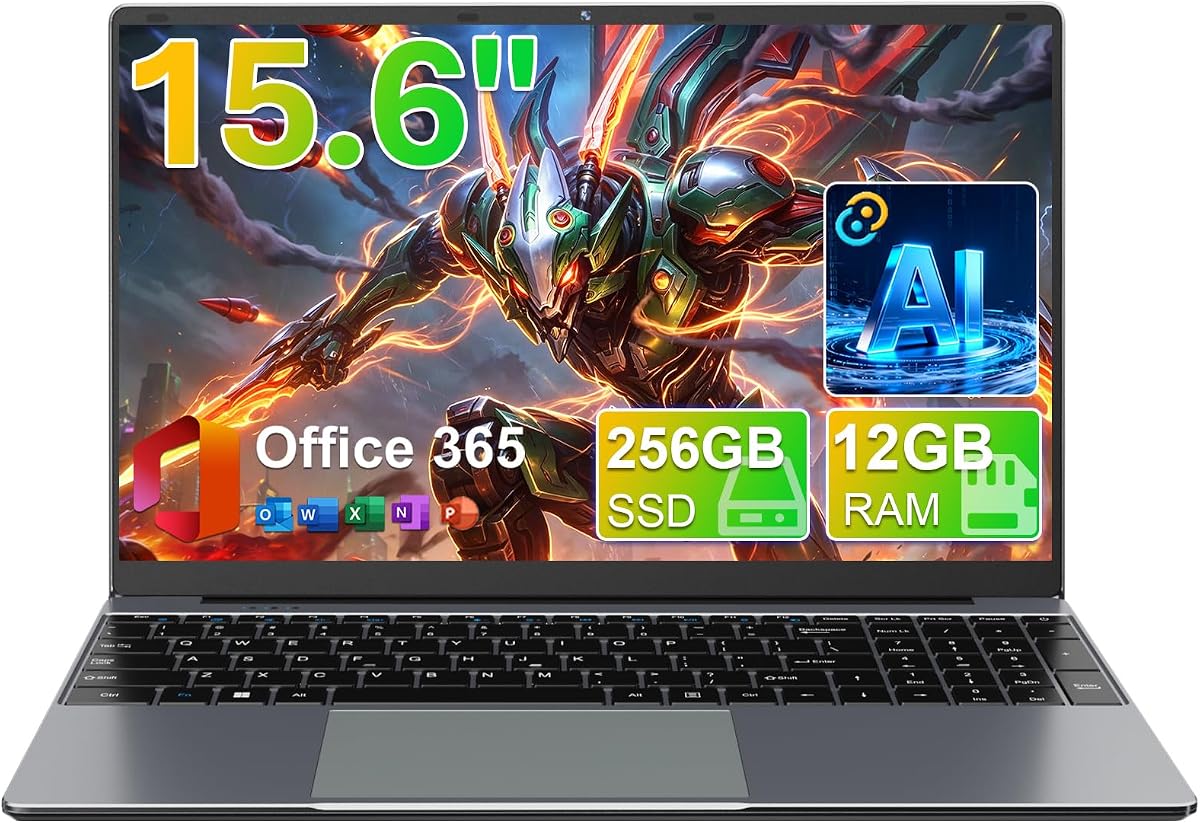
This student laptop combines an AI assistant with a solid 12GB RAM configuration. The 15.6-inch Full HD IPS screen offers vibrant colors and wide viewing angles which are great for visual study materials. The hinge opens flat to 180 degrees for flexible sharing.
We may earn a commission when you buy through this link, at no additional cost to you.
Performance is handled by the Celeron J4105 processor which is reliable for everyday tasks like browsing and word processing. You get a 256GB SSD which ensures quick boot times. The 7000mAh battery supports long work sessions without frequent recharging.
The AI assistant helps with writing and meetings which can boost productivity. However the older processor might struggle with heavy software like MATLAB or AutoCAD. The build feels practical but not premium. It serves well as a reliable study companion.
Choose this if you want a versatile display and AI tools at an affordable price. It is suitable for coursework that does not demand high graphics power. The combination of RAM and storage offers a balanced experience for daily learning needs.
The 180 degree hinge allows you to position the screen for presentations or comfortable reading angles.
Built-in AI features assist with drafting emails and analyzing text to save time on administrative tasks.
We may earn a commission when you buy through this link, at no additional cost to you.
This model blends business aesthetics with student needs. The Willow Green finish looks professional in internships or meetings. It includes Copilot AI for help with content creation which is useful for report writing. The layout is ergonomic for long typing sessions.
We may earn a commission when you buy through this link, at no additional cost to you.
It uses the N150 processor with 4GB RAM which handles basic applications well. Storage is 128GB UFS ensuring decent speed. Ports include USB-C and HDMI for connecting to external monitors in the classroom. Battery life supports all day usage effectively.
The memory limitation may restrict how many apps you can run simultaneously. The screen is HD which is fine for text but not for detailed graphics work. It is a stylish choice for students focused on data entry and documentation tasks.
If you need a professional looking device for business administration studies this fits well. It prioritizes design and efficiency over raw power. The included AI tools help streamline workflow which benefits students managing heavy schedules.
The willow green finish provides a sophisticated look suitable for professional environments and presentations.
Copilot AI offers instant assistance for drafting emails and managing content creation tasks efficiently.
We may earn a commission when you buy through this link, at no additional cost to you.
This laptop stands out with its elegant Rose Gold design and high user rating. The Intel N200 processor handles daily tasks smoothly. You get a generous 640GB of storage combining internal and docking memory which is rare. It includes Office 365 and a numeric keypad.
We may earn a commission when you buy through this link, at no additional cost to you.
The 14-inch display is comfortable for typing and reading. Privacy shutter on the camera ensures security during online meetings. It is lightweight and portable for easy transport. The build quality feels solid for the price range.
While the graphics are basic the storage makes it useful for saving many files. The 4GB RAM is a constraint for heavy multitasking. It is not for heavy engineering graphics but great for administrative work. The design is visually appealing.
Choose this if style and storage are your priorities. It is a reliable companion for students needing a professional look and plenty of space. The high rating suggests strong customer satisfaction with its design and utility.
The rose gold finish offers a unique and professional aesthetic for campus and internship settings.
Combined internal and external storage ensures ample room for project files and documentation.
We may earn a commission when you buy through this link, at no additional cost to you.
This model offers reliable performance for student workflows. The N150 processor is efficient for web browsing and document editing. It includes a portable drive for extra storage flexibility which helps manage data. The design is sleek and easy to carry in bags.
We may earn a commission when you buy through this link, at no additional cost to you.
Battery life is strong supporting long lectures without power. Connectivity is modern with USB-C and HDMI. The screen is bright enough for indoor use. It comes with Copilot AI to assist with research tasks and organization.
The 4GB RAM is the main bottleneck for heavy apps. The storage is basic so cloud sync is recommended for large files. It is a solid choice for students who need a dependable device for typing and research.
If you need a portable machine for daily campus life this fits well. It balances cost and features effectively. Focus on tasks that do not require high memory usage to get the most out of this system.
WiFi 6 ensures rapid internet speeds for downloading large lecture materials and research data.
AI Copilot tools help organize notes and drafts quickly to improve study efficiency.
We may earn a commission when you buy through this link, at no additional cost to you.
This Dell laptop is engineered for efficiency with a Core i5 processor. It offers significantly better performance for engineering software than entry-level chips. The Full HD display ensures clarity for coding. Ergonomic hinges improve comfort during long study sessions.
We may earn a commission when you buy through this link, at no additional cost to you.
It includes Dell ComfortView to reduce blue light which helps prevent eye strain. The onsite service warranty provides peace of mind for technical issues. Battery technology supports long productivity without interruption. Build quality is robust for daily campus use.
The price is higher than budget options but justified by the processor power. It handles heavier applications better than the others. Storage is standard at 256GB SSD which is fast. It is a reliable tool for demanding coursework.
Students needing better processing power for math or simulation tasks should consider this. It balances performance and cost well. The ergonomic features and warranty make it a smart investment for long term academic success.
The Core i5 processor handles complex calculations and simulations more effectively than entry-level processors.
Blue light reduction software helps keep eyes comfortable during extended screen time in libraries.
We may earn a commission when you buy through this link, at no additional cost to you.
This is the most capable laptop on the list for engineering students. The AMD Ryzen 5 processor provides significant power for multitasking and rendering. The 16GB RAM and 1TB SSD ensure you have space for large datasets. The 17.3 inch screen offers a desktop-like workspace.
We may earn a commission when you buy through this link, at no additional cost to you.
Windows 11 Pro adds security features useful for professional environments. Fast charge technology restores battery quickly between classes. The IPS display provides wide viewing angles for team collaboration. It is a complete workstation for demanding technical tasks.
The size and weight are trade-offs for portability. It is heavier to carry than 14-inch models. The price is higher but reflects the premium specs. It is best for students prioritizing power over portability for complex simulations.
If you need a primary device for heavy engineering work this is the top choice. It handles everything from coding to 3D modeling. The large screen helps productivity by reducing the need for external monitors in the dorm room.
The Ryzen 5 processor handles intensive engineering simulations and multi-application workflows smoothly.
The 17.3 inch screen provides ample space for side-by-side code and documentation windows.
We may earn a commission when you buy through this link, at no additional cost to you.
Selecting the right laptop requires understanding the specific technical demands of your coursework. This guide outlines key factors to consider to ensure your device supports your academic and professional goals.
Engineering software like CAD and MATLAB often relies on CPU performance. Look for multi-core processors like Intel Core i5 or AMD Ryzen 5 to ensure smooth operation during complex calculations. Entry-level processors can handle basic tasks but may slow down under heavy loads.
Prioritize a processor with a higher core count and turbo boost capabilities to handle peak workloads efficiently during crunch times.
Adequate RAM is crucial for running multiple applications simultaneously. 8GB is the minimum for smooth performance but 16GB is recommended for heavy multitasking. This ensures you can keep research tabs and software open without system lag.
Choose a model with at least 8GB of RAM to maintain speed and responsiveness throughout your study sessions.
Solid State Drives (SSD) are essential for fast boot times and quick file access. Aim for at least 256GB but 1TB is better for storing large project files. eMMC storage is slower and less durable than standard SSDs.
Opt for a large SSD to ensure quick data access and ample room for software installations.
A high-resolution screen helps reduce eye strain during long hours of coding or reading. Full HD (1920×1080) is the standard for clarity. A larger screen like 15 or 17 inches can improve productivity by offering more workspace.
Select a Full HD IPS display to ensure accurate colors and wide viewing angles for detailed work.
Students often carry laptops to classes and libraries so battery life is critical. Aim for a model that supports at least 7 hours of usage on a single charge. Weight should be manageable for daily commuting.
Choose a lightweight device with robust battery life to support a full day of classes without needing a charger.
Modern laptops need versatile ports to connect to projectors and external drives. Look for USB Type-C with DisplayPort support and HDMI outputs. Wireless standards like WiFi 6 ensure stable internet in crowded campus networks.
Verify the availability of necessary ports to connect to external monitors and transfer data efficiently.
Since you will be transporting the device frequently durability is important. A sturdy chassis withstands daily wear and tear. Also consider the keyboard comfort for long typing sessions and the hinge strength for screen movement.
Invest in a robust build quality to ensure longevity throughout your years of study.
Most engineering software supports Windows effectively. Ensure the laptop comes with a modern version like Windows 11 Home or Pro. Some models include useful tools like Copilot AI which can assist with productivity tasks.
Confirm the operating system supports your required academic applications and includes useful productivity features.
Proper thermal management is essential for maintaining performance. Use your laptop on hard flat surfaces to allow air vents to function correctly. Avoid using it on soft blankets or pillows which can block airflow and cause overheating during intensive tasks.
Regularly update your operating system and drivers to keep security features current. Organize your files into clear folders for projects to save time searching for specific documents. Cloud syncing services can prevent data loss if the physical device is damaged or lost.
Protect your investment with a sturdy protective case for transport. Adjust screen brightness to match your environment to reduce eye strain. Using a cooling pad can help maintain optimal temperatures if you run high-load simulations frequently.
For most engineering coursework 8GB RAM is the minimum standard. However if you plan to run complex simulations or 3D modeling software 16GB is highly recommended to ensure smooth performance.
It depends on your specific major. Integrated graphics are usually sufficient for civil or mechanical drafting but electrical engineering might require a discrete GPU for advanced rendering tasks. Check your curriculum requirements before purchasing.
Intel Core i5 or AMD Ryzen 5 processors offer the best balance of performance and battery life for students. They handle multitasking well and are powerful enough for most standard engineering applications.
A 17 inch laptop provides a larger workspace but is heavier to carry daily. If you commute often or have limited backpack space a 14 or 15 inch model might be more convenient for campus life.
Engineering projects can involve large files so 256GB is a good starting point. If you work with video or 3D models aim for 512GB or 1TB to avoid constant external storage management.
Yes all models listed are capable of handling programming environments like Python or C++. The performance varies based on RAM and processor speed but entry level to mid-range chips work well for standard coding tasks.
Finding the right tool is vital for your academic success. The top picks offer a range of options from budget-friendly entry models to powerful workstations. The Dell 15.6 offers solid performance while the HP 17 Inch provides ample space for complex tasks.
Prioritize your specific needs when choosing a device. If portability is key look for lighter 14 inch models with long battery life. For heavy simulations focus on the processor and RAM specifications. Ensure the device supports the software required for your major.
Always verify current availability and warranty details before finalizing your purchase. Technology evolves quickly so ensure your device remains relevant for your entire degree program. With the right laptop you can focus on your studies without technical distractions.