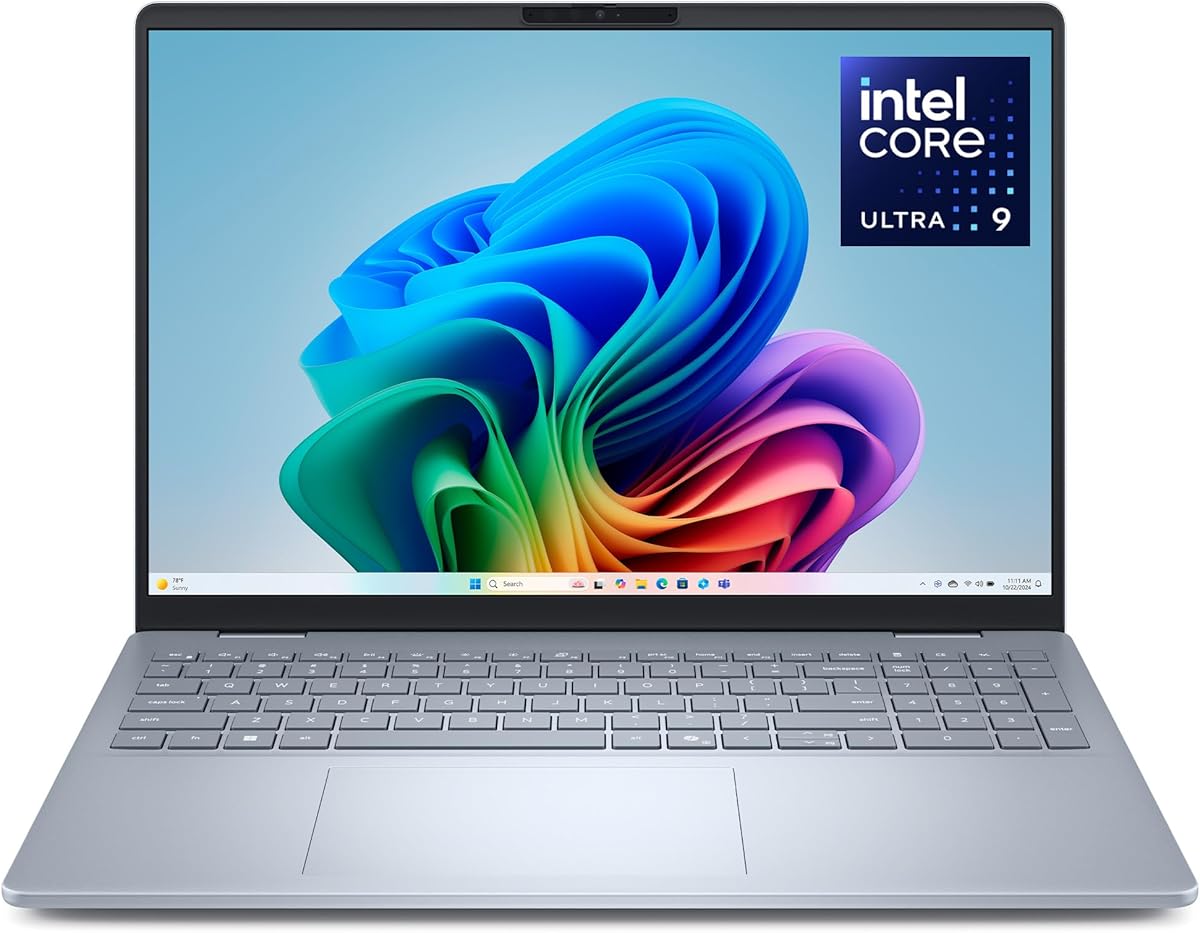
Dell 16 Plus Laptop
4.3Editor score
16:10 QHD+ screen
Intel Core Ultra 9
32GB RAM
Photographers need reliable tools to edit their work efficiently. A laptop for Lightroom Classic requires specific features like accurate color display and strong processing power to handle large RAW files without lag.
We compared ten top models based on screen quality, processor speed, memory capacity, and battery life. Our analysis ensures you find a machine that supports smooth workflow from import to export.
Each pick highlights unique strengths for different needs. Note that specifications and availability change often, so verify current details before purchasing to ensure you get the right tool for your photography workflow.
4.3Editor score
4.3Editor score

5.0Editor score
As an Amazon Associate we earn from qualifying purchases.
This table provides a side-by-side comparison of the top ten laptops selected for Lightroom Classic performance. It highlights key specifications to help you choose based on your specific editing needs.



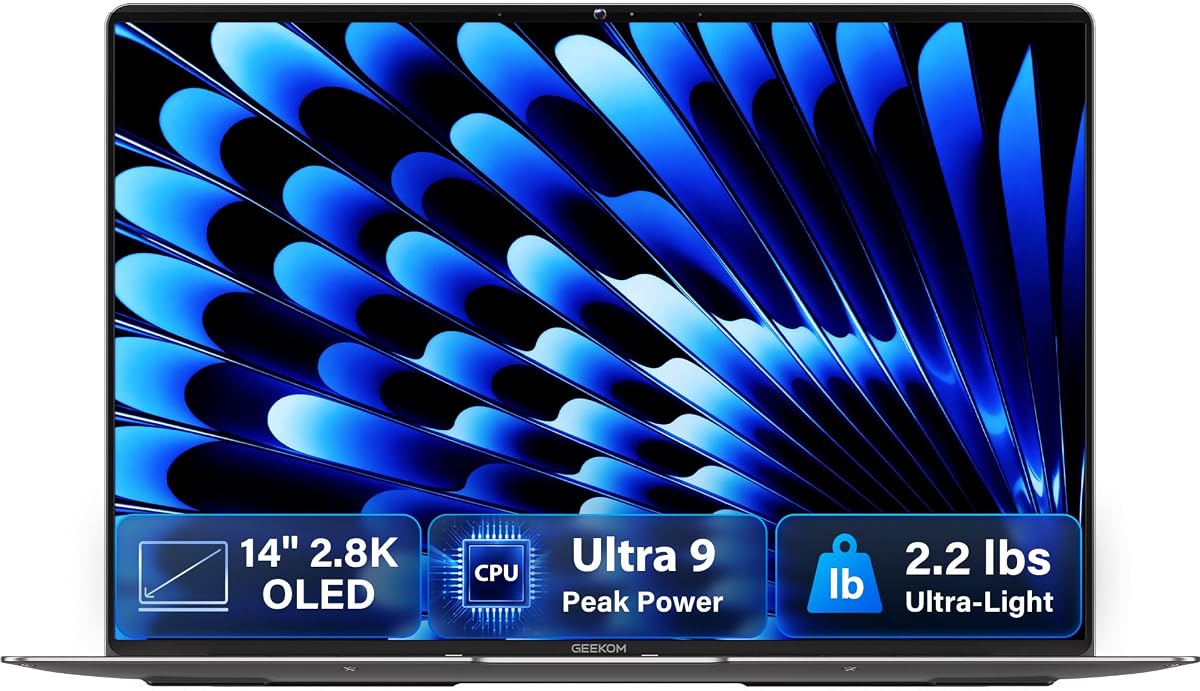
The GEEKOM GeekBook X14 Pro stands out as a top contender for photographers needing power on the go. Its 2.8K OLED display offers vibrant colors and deep blacks essential for precise photo editing.
We may earn a commission when you buy through this link, at no additional cost to you.
Under the hood, the Core Ultra 9 185H processor with 16 cores ensures smooth handling of large RAW files. The 32GB of LPDDR5x memory keeps multitasking fluid while you manage multiple projects.
While the display and performance are excellent, the premium pricing may be a consideration. However, the build quality and included warranty justify the investment for serious creatives.
This laptop is ideal for professionals who value color accuracy and portability. It provides a seamless editing experience whether you are in a studio or traveling to a shoot.
The 2.8K OLED screen delivers 100% DCI-P3 color coverage, ensuring your edits reflect true-to-life tones across various viewing environments.
The advanced IceBlade 2.0 thermal system keeps the device cool during long editing sessions, preventing performance throttling.
We may earn a commission when you buy through this link, at no additional cost to you.
The LG gram 17Z95P offers a massive viewing area that photographers love for detailed retouching work. The large screen allows for comfortable panel layouts without cramping your interface.
We may earn a commission when you buy through this link, at no additional cost to you.
Despite its size, this laptop remains incredibly light due to its magnesium alloy chassis. You can move around easily without the burden of heavy equipment weighing you down.
The older processor might feel less future-proof compared to newer models. However, for standard Lightroom tasks, it still provides adequate speed and responsiveness for most users.
Choose this if you prioritize screen real estate and portability. It is a great fit for editors who need space but must travel frequently to clients.
The 17-inch WQXGA screen provides ample room for toolbars and previews, enhancing your editing workflow efficiency.
Weighing very little for a 17-inch device, it makes travel easier for field photographers needing a desktop-like experience.
We may earn a commission when you buy through this link, at no additional cost to you.
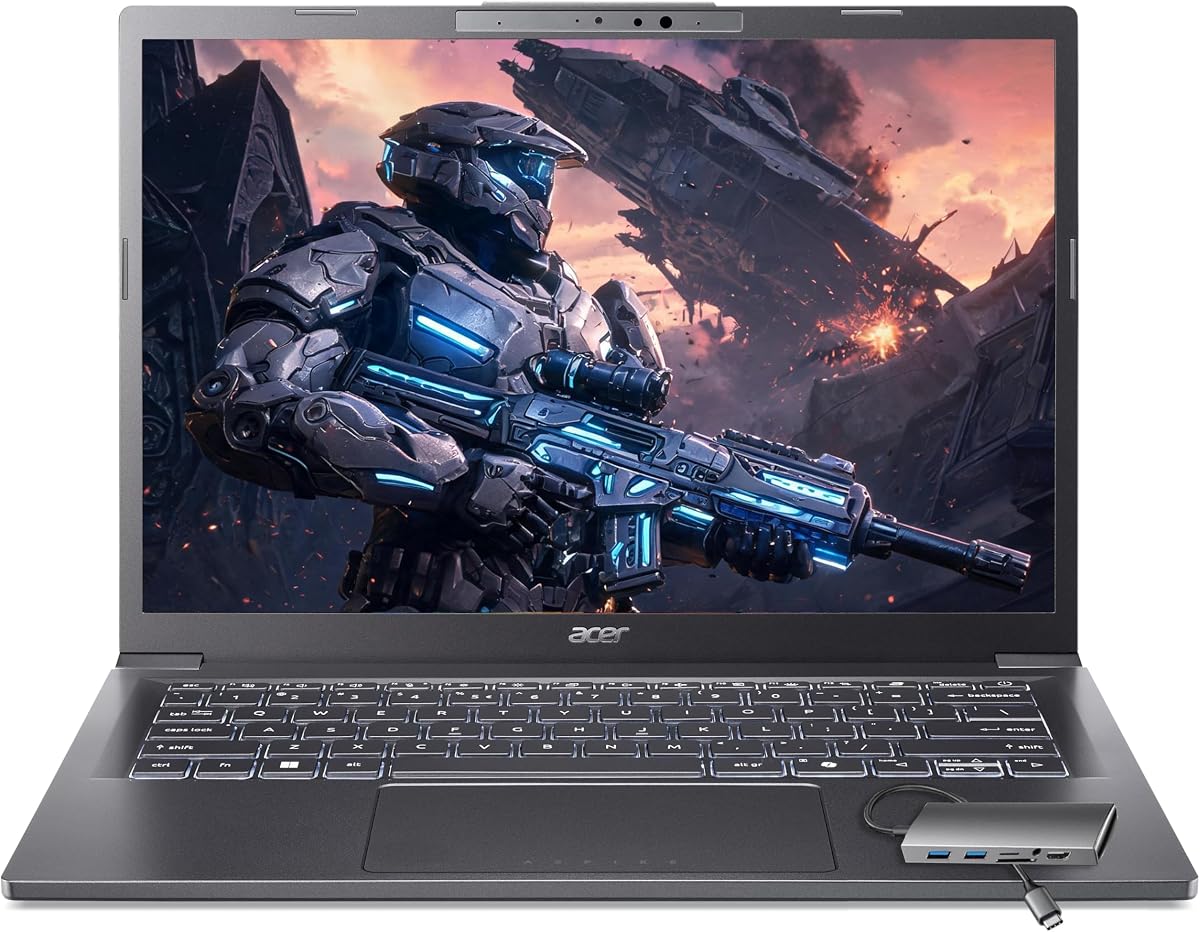
The Acer Aspire Laptop 2026 introduces a versatile touchscreen that simplifies adjustments like cropping and brush sizing. Direct interaction can speed up your editing process significantly.
We may earn a commission when you buy through this link, at no additional cost to you.
With 32GB of RAM and a spacious 2TB SSD, you have plenty of headroom for large catalogs. This configuration supports heavy workloads without slowing down your system.
While the battery life is decent, it may not last a full day away from an outlet. Ensure you pack a charger for extended travel or field work scenarios.
This model suits users who prefer intuitive touch controls. It offers a modern interface experience combined with the power needed for professional photo editing tasks.
The touchscreen allows direct manipulation of images, making precise edits faster and more natural for creative users.
2TB of storage ensures you can keep extensive photo libraries local without needing external drives constantly.
We may earn a commission when you buy through this link, at no additional cost to you.
This NIMO laptop offers an excellent entry point for beginners or those on a budget. It handles Lightroom tasks efficiently without requiring a huge financial investment upfront.
We may earn a commission when you buy through this link, at no additional cost to you.
The ability to upgrade RAM and storage later makes it a smart long-term choice. You can start basic and add capacity as your photo collection grows over time.
The screen is functional but lacks the high resolution of premium models. For serious color grading, external monitors might be necessary to match professional standards accurately.
It is an ideal choice for students or hobbyists starting their photography journey. It provides the essential power needed for editing without unnecessary frills or costs.
Dual slots allow you to expand memory and storage easily, keeping the laptop useful as your needs evolve.
Delivering strong performance per dollar, it balances affordability with the speed required for daily editing tasks.
We may earn a commission when you buy through this link, at no additional cost to you.
The Dell 16 Plus represents the premium end of the market with superior build quality and robust performance. It is designed for professionals who need reliability above all else.
We may earn a commission when you buy through this link, at no additional cost to you.
With the latest Core Ultra processors, it excels in AI-assisted tasks and efficient rendering. This ensures your workflow remains smooth even during complex batch processing sessions.
The cost is significant compared to other options available. However, the included onsite service provides peace of mind for those who cannot afford downtime.
Opt for this if you value durability and service support. It is a solid investment for established photographers relying on their laptop daily for business operations.
Dell's rigorous testing ensures this device withstands daily use, making it a dependable tool for professional environments.
The 1-year onsite service means repairs happen quickly at your location, minimizing interruptions to your business workflow.
We may earn a commission when you buy through this link, at no additional cost to you.
This NIMO model stands out for its strong multi-core performance which helps with rendering. The 32GB of RAM ensures multiple apps run smoothly simultaneously without lag.
We may earn a commission when you buy through this link, at no additional cost to you.
The upgradeable design allows for future expansions. You can adjust storage and memory as your needs grow, extending the useful life of the machine.
The screen quality is functional but lacks high resolution. If color accuracy is critical, you should connect to a calibrated external monitor for final adjustments.
It is well suited for users who need raw power at a reasonable cost. The flexibility to upgrade makes it a practical choice for growing studios.
The Ryzen 7 processor handles heavy loads efficiently, reducing wait times during export and rendering tasks.
User-accessible slots allow for easy upgrades to RAM and storage, adapting to changing project requirements.
We may earn a commission when you buy through this link, at no additional cost to you.
The HP 17 Inch Laptop offers a spacious workspace with a large 17.3-inch screen. This size is beneficial for organizing complex project files and tools.
We may earn a commission when you buy through this link, at no additional cost to you.
With 32GB of RAM, it manages large catalogs effectively. The numeric keypad is also helpful for precise data entry or adjusting exposure values quickly.
Portability is somewhat limited due to the larger chassis. It is better suited for a fixed desk setup rather than frequent travel to client sites.
This is a great choice for stationary editing setups. It provides all the necessary tools for efficient workflow in an office or home studio environment.
The numeric keypad allows quick numerical adjustments for settings, improving speed during detailed editing sessions.
Windows 11 Pro offers enterprise security and management features beneficial for business professionals handling sensitive client data.
We may earn a commission when you buy through this link, at no additional cost to you.
This HP model brings a large display to home editors looking for cost-effective options. The 17.3-inch screen provides comfortable viewing for long editing sessions.
We may earn a commission when you buy through this link, at no additional cost to you.
The inclusion of accessories like a mouse makes it ready to use immediately. This convenience saves time and extra costs often associated with new laptop setups.
However, the 8GB RAM may limit heavy multitasking. Users might need to close other applications to ensure smooth performance while running Lightroom.
It is a practical choice for casual photographers or students. The size and included accessories make it a ready-to-deploy solution for home use.
Included peripherals ensure you can start editing right away without searching for additional hardware accessories.
The large screen layout suits desk setups where portability is less critical than workspace size.
We may earn a commission when you buy through this link, at no additional cost to you.
This budget laptop provides basic capabilities for those needing light editing tools. The integrated Office 365 is a bonus for administrative tasks alongside photography work.
We may earn a commission when you buy through this link, at no additional cost to you.
The hardware is entry-level and may struggle with complex tasks. It is suitable for simple edits rather than intensive batch processing or high-resolution work.
Storage space is limited which means you will need external drives. This is acceptable for occasional users who do not keep large libraries locally.
It works for students or hobbyists on a tight budget. It handles basic needs without breaking the bank, serving as a functional starting point.
Office 365 inclusion allows seamless document management alongside photo editing for students and professionals.
Simple configuration ensures ease of use for beginners needing a reliable device for daily tasks.
We may earn a commission when you buy through this link, at no additional cost to you.
This laptop offers a portable option for casual editing and schoolwork. The privacy slider adds a nice touch for security when handling client images in public.
We may earn a commission when you buy through this link, at no additional cost to you.
Performance is limited to light tasks. It can handle simple adjustments but will struggle with large files or advanced color correction work efficiently.
Expandable storage helps compensate for small internal drives. Using a TF card provides a cost-effective way to store more photos and videos easily.
It is a good choice for students or basic users. It meets fundamental needs without complexity or high cost, serving as a practical daily driver.
The physical privacy slider ensures camera privacy when needed, which is important for protecting client data during editing.
Support for external TF cards allows easy storage expansion for projects without changing the device hardware.
We may earn a commission when you buy through this link, at no additional cost to you.
Choosing the right laptop involves balancing performance, display quality, and budget. Understanding these factors helps you find a machine that supports your specific workflow needs.
Color accuracy is vital for photo editing. Look for screens with high color gamut coverage like DCI-P3 or Adobe RGB. OLED panels often provide better contrast and blacks for vibrant images.
Prioritize high resolution for detailed work. A screen with at least 2560 pixels width ensures sharp visuals. This clarity helps when spotting fine details in your photos.
The processor handles imports and exports. Modern cores like Intel Core Ultra or AMD Ryzen 7 are recommended. These offer better multitasking and rendering speed for large catalogs.
Focus on multi-core speed over single-core alone. Lightroom uses multiple threads effectively. More cores allow faster batch processing when you need to edit hundreds of photos.
RAM keeps your system fluid during editing. 32GB is ideal for heavy workflows. 16GB is acceptable for casual users but may slow down with many tabs open.
Ensure the memory is upgradeable if possible. Future-proofing your device allows adding more RAM later. This extends the lifespan of your laptop as file sizes grow.
Fast storage reduces load times significantly. Look for NVMe SSDs with PCIe Gen 4 support. This technology offers quick data transfer speeds essential for large image files.
Consider total capacity for local storage. 1TB is a good baseline. Ensure you have space for current projects while maintaining a buffer for software updates.
Weight matters if you work on location. Ultrabooks under 3.5 lbs are easier to carry. A lighter chassis reduces fatigue during travel to shoots.
Battery life ensures independence from outlets. Aim for at least 10 hours. This allows all-day editing without constantly searching for power sources in busy environments.
Ports are needed for card readers and monitors. USB-C with Thunderbolt support is valuable for fast transfers. HDMI ports help when connecting to external displays easily.
Check wireless standards like Wi-Fi 6. Fast internet is crucial for cloud syncing. Reliable Bluetooth connectivity also ensures your peripherals work without interruptions.
Heat affects performance during long sessions. Effective cooling systems keep components running smoothly. Look for laptops with advanced fans or heat pipes for stability.
A quiet fan is beneficial in studios. Noise can be distracting when focusing on subtle edits. Good thermal design prevents throttling under sustained loads.
Durability ensures longevity of your investment. Check for sturdy hinges and materials like aluminum. A robust build withstands daily use and travel stresses better.
Look for warranties and support options. Good customer service helps resolve issues quickly. This support is essential for professionals relying on their gear daily.
Always calibrate your display to ensure color accuracy. Use tools like X-Rite or Datacolor to verify that what you see matches printed outputs. This step is critical for professional consistency.
Keep your storage organized to maintain speed. Use external drives for archives instead of filling the internal SSD. Regularly clean up thumbnails and unused previews to optimize performance.
Maintain your hardware by keeping it clean and cool. Use compressed air to remove dust from vents. Avoid placing the laptop on soft surfaces like beds to prevent overheating during use.
Not strictly for basic editing but helpful for complex tasks. Integrated GPUs in newer processors handle most tools well. A dedicated card helps with AI tools and large exports but is not mandatory for casual use.
It is sufficient for smaller catalogs. If you work with 50MP images or large batches, 32GB offers better stability. Consider upgrading if you notice lag when switching between modules.
A minimum of 2560 pixels wide is recommended for clarity. Higher resolution allows you to see details clearly. It also helps when zooming in for retouching work.
Very important if you work outside a studio. Aim for 8 to 10 hours of real-world use. This ensures you can edit on planes or at locations without carrying a heavy charger.
Yes most support external displays via USB-C or HDMI. Using an external screen can provide a better editing space. Check port speeds to ensure smooth video output.
Speed usually matters more for daily performance. Use NVMe SSDs for the main drive. You can use external drives for large archive storage to balance both needs.
The GEEKOM GeekBook X14 Pro stands out as a balanced choice for its display quality and power. It offers a compelling mix of portability and performance for modern photographers.
Consider your workflow needs when choosing. If you work mostly at a desk, a larger screen model might serve you better. Mobile users will appreciate the lightweight designs available.
Always check current stock and warranty options before buying. Specifications and availability change frequently. Ensure you select a model that meets your requirements for the coming years.