
Rupert Neve Designs 5059
4.9Editor score
Shelford edition design
Sixteen plus four inputs
Satellite integration
This guide compares the top ten analog summing mixers for studio and live sound, highlighting key features, performance, and ideal use cases for every budget.
Analog summing mixers bring warmth and depth to digital recordings by combining signals through analog circuitry. They enhance stereo width and clarity for a more natural soundstage that many producers seek.
We evaluated ten top-rated units based on channel count, build quality, sonic character, and connectivity. Our analysis focuses on how each mixer handles signal integrity and offers flexibility for various production environments.
Each pick showcases standout strengths and ideal scenarios for use. Note that pricing and availability can change, so check the latest details before purchasing to ensure you get the best value available today.
4.9Editor score
4.8Editor score

5.0Editor score
This table offers a side-by-side look at the key specifications and capabilities of each mixer to help you quickly identify which model fits your specific studio or performance needs.




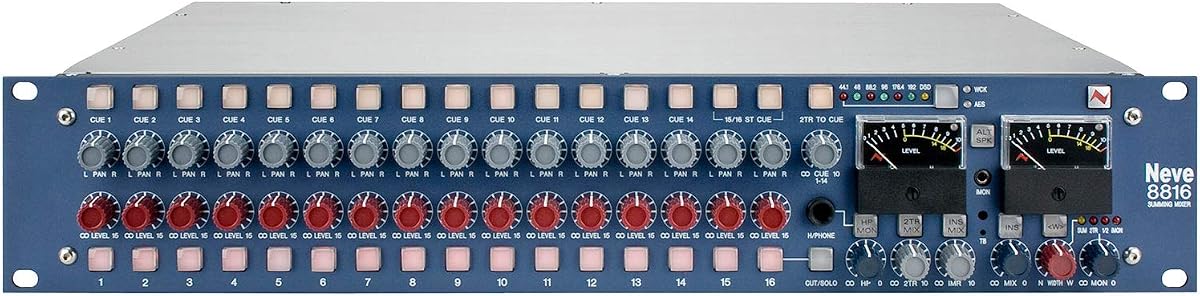
The Neve 8816 stands as a benchmark for analog summing, offering sixteen channels of pristine audio summing. Its transformer-balanced design delivers the classic Neve sound that producers crave for depth and width.
We may earn a commission when you buy through this link, at no additional cost to you.
This mixer excels in studio environments where high-quality monitoring is essential. The dedicated section allows for precise control over speaker outputs and headphone mixes, ensuring accurate translation during mixing sessions.
While its cost is significant, the sonic benefits justify the investment for serious studios. The build quality ensures longevity, making it a centerpiece for professional production setups focused on analog character.
Ideal for those seeking top-tier analog integration, this unit transforms digital stems into cohesive mixes. It remains a gold standard for engineers prioritizing tone and reliability in their workflow.
The transformers impart harmonic richness and punch to summed signals, creating a wider stereo image than digital summing alone can achieve.
Dedicated outputs for main and alternate speakers allow seamless switching between monitoring systems without signal degradation or signal noise.
We may earn a commission when you buy through this link, at no additional cost to you.
The Radial Mix 2:1 is a straightforward passive mixer designed for combining two signals into one mono output. It offers a reliable solution for basic summing tasks without requiring external power sources.
We may earn a commission when you buy through this link, at no additional cost to you.
Its simplicity makes it ideal for specific routing needs or combining instruments quickly. The passive design ensures no added noise, maintaining signal integrity for small setup integrations.
While it lacks the complexity of larger units, its focused functionality is perfect for niche applications. Users benefit from its rugged build and cost-effective design for occasional use.
Recommended for those needing a no-fuss summing tool, this mixer provides clarity and durability. It fills a gap for simple signal combining without the expense of active gear.
Without active electronics, the mixer avoids introducing hiss or distortion, keeping the original signal pure and uncolored by circuitry.
Its compact metal casing ensures durability for transport, making it suitable for mobile setups or temporary installations easily.
We may earn a commission when you buy through this link, at no additional cost to you.
The Rupert Neve Designs 5059 brings the legendary Shelford tone to a compact summing format. It supports sixteen inputs, allowing substantial flexibility for blending stems while retaining analog warmth.
We may earn a commission when you buy through this link, at no additional cost to you.
Designed for modern hybrid studios, it offers seamless satellite integration with other Neve modules. This flexibility makes it a versatile centerpiece for engineers expanding their analog capabilities gradually.
Although pricey, it delivers professional results comparable to larger consoles. The build quality reflects its premium status, ensuring it stands up to rigorous daily use in demanding environments.
Ideal for studios seeking the Neve signature sound, this mixer elevates digital mixes significantly. It balances performance and size, making it a smart investment for serious producers.
This unit captures the essence of the Shelford console, providing rich harmonics and depth that define the Neve sonic signature.
Its satellite capability allows it to work with other Neve components, enabling custom studio configurations without space constraints.
We may earn a commission when you buy through this link, at no additional cost to you.
The Headliner R4 is designed for DJs needing precise control over sound shaping. Its analog filters and isolator EQs allow creative transitions and tonal adjustments during live performances.
We may earn a commission when you buy through this link, at no additional cost to you.
Connectivity includes phono and line inputs, accommodating turntables and media players. The booth and master outputs ensure reliable signal routing to various sound systems effectively.
While not a traditional studio summing mixer, it excels in performance settings. Its build quality with metal and wood panels offers both aesthetic appeal and durability on stage.
Best for DJs seeking tactile control, this mixer provides the tools for dynamic mixing. It stands out with its filter capabilities, making it a standout choice for electronic music sets.
Frequency and resonance knobs let you sculpt the sound uniquely, offering signature textures during transitions and builds.
Balanced XLR and unbalanced RCA connectors provide versatility for connecting to different types of amplifiers and speaker systems.
We may earn a commission when you buy through this link, at no additional cost to you.
The Mackie Onyx Series offers a comprehensive solution for home studios with multi-track USB recording. Its sixteen channels provide ample room for capturing instruments and vocals simultaneously.
We may earn a commission when you buy through this link, at no additional cost to you.
Award-winning Onyx mic preamps deliver clean gain, essential for recording sources. The included digital effects engine adds flexibility without needing external processors or plugins.
While it includes digital features, its analog path retains warmth suitable for live and studio use. The Bluetooth streaming allows quick playback integration into sessions conveniently.
Recommended for home producers, it combines functionality and quality. It is a versatile choice for those who need recording and mixing in one affordable unit without sacrificing sound.
These preamps provide up to 60dB of gain with low noise, ensuring professional quality recordings from microphones and instruments.
Recording directly to Mac or PC allows for easy editing, making it a complete solution for project-based music creation.
We may earn a commission when you buy through this link, at no additional cost to you.
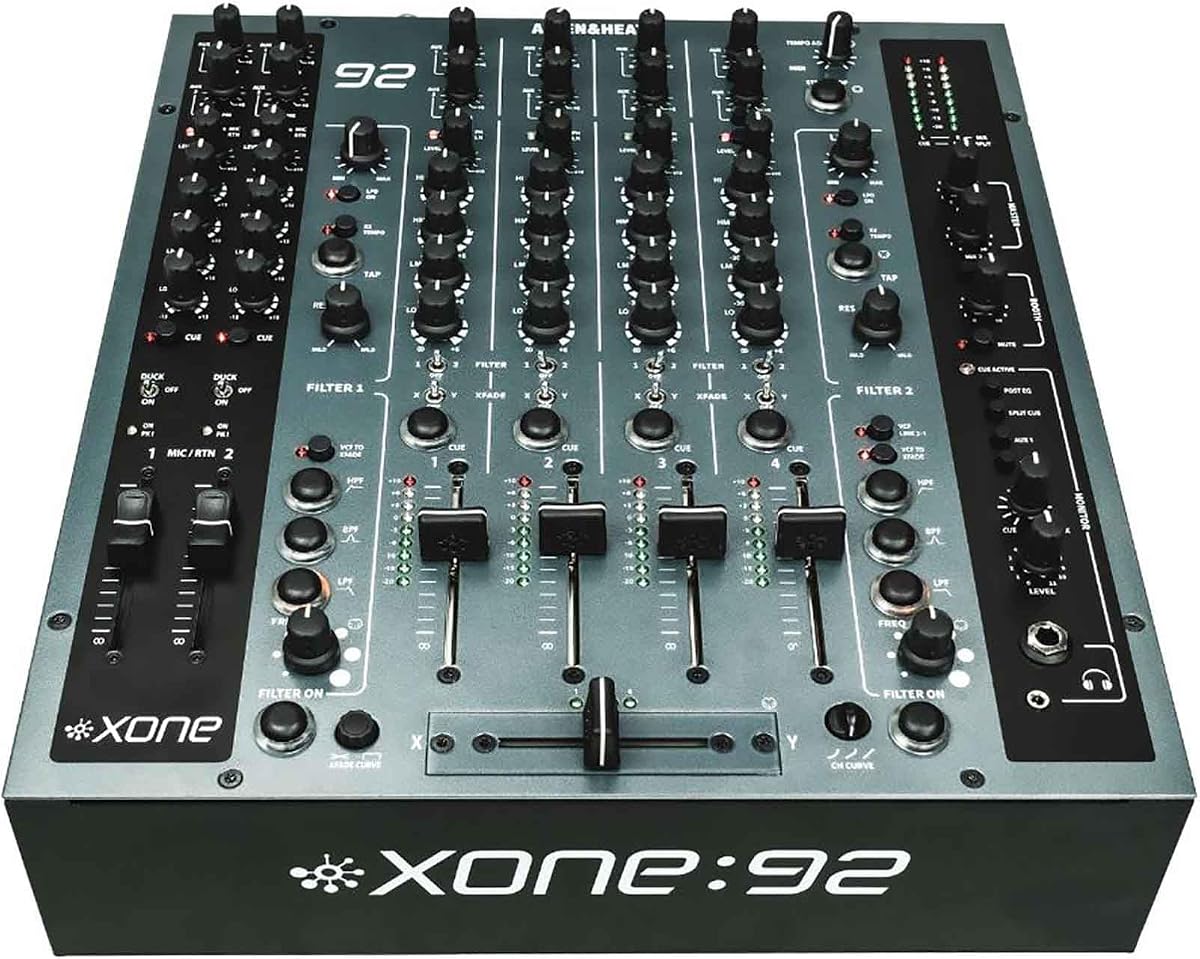
The Xone:92 Mk2 continues the legacy of Xone's high performance analog signal processing. It features switching filters that allow DJs to shape sound dynamically during sets.
We may earn a commission when you buy through this link, at no additional cost to you.
With send and return connections, integrating external effects is straightforward. This versatility enhances the creative potential for electronic music performances significantly.
Its build quality ensures it withstands the rigors of club environments. The dedicated booth and record outputs provide professional monitoring and recording capabilities for live use.
Ideal for DJs seeking analog warmth, this unit offers precise control. It stands out for its filter system, making it a preferred choice for nuanced mixing.
The VCF system offers smooth transitions between high and low pass, allowing expressive control over frequency content.
Send and return channels enable connection to external effects units, expanding the sonic palette available for mixes.
We may earn a commission when you buy through this link, at no additional cost to you.
The Xone:43 offers a compact yet powerful solution for DJs with a high performance analog signal path. It includes four main channels plus one mono input for mic or additional sources.
We may earn a commission when you buy through this link, at no additional cost to you.
Its VCF system includes resonance and frequency controls, allowing precise manipulation of the sound. Individual dry/wet levels provide flexibility for external effects integration.
The mixer is innofader compatible, accommodating different user preferences for crossfader control. Dedicated booth and record outputs support versatile connectivity options for any setup.
Best for mobile DJs, it balances portability with professional features. Its sound quality ensures clean mixes, making it a reliable tool for various performance environments.
Dry/wet controls per channel allow precise effect application, enabling subtle or dramatic modifications without affecting the whole mix.
Support for innofaders gives users the flexibility to customize their mixing feel, catering to different DJ styles and needs.
We may earn a commission when you buy through this link, at no additional cost to you.
The Mackie 1202VLZ4 delivers exceptional sound quality for its size. With twelve channels and Onyx preamps, it handles live sound and studio recording with impressive clarity and low noise.
We may earn a commission when you buy through this link, at no additional cost to you.
Its distortion is minimal across frequencies, ensuring clean reproduction. The three-band EQ and low-cut filters offer essential tools for shaping sound without complexity.
Routing options include aux sends and stereo buses, supporting flexible monitoring and effects use. The chassis is designed to withstand the demands of professional environments.
Ideal for small studios or live applications, it provides reliable performance. Its value proposition makes it a top choice for budget-conscious users seeking quality analog sound.
The Onyx preamps deliver low noise and wide gain, ensuring high-quality recordings from microphones without unwanted hiss or distortion.
Multiple aux sends and buses allow for customized monitoring setups, making it adaptable for various live and studio scenarios.
We may earn a commission when you buy through this link, at no additional cost to you.
The BiG SiX combines analog mixing with digital interface capabilities, offering a hybrid solution for modern studios. It features SuperAnalogue mic pres that deliver SSL's classic clarity and punch.
We may earn a commission when you buy through this link, at no additional cost to you.
With sixteen-channel USB, it captures high-resolution audio directly to computer. The integrated dynamics processing includes bus compression, allowing professional control over the master output.
This unit excels in environments where analog warmth meets digital workflow. Its comprehensive monitoring section supports accurate translation, ensuring mixes translate well across playback systems.
Best for professional studios, it provides the tools for high-end production. It bridges the gap between digital convenience and analog character, making it a premium choice for engineers.
This technology provides the sonic signature of SSL consoles, offering precise control and high fidelity across the entire frequency range.
Channel and master bus dynamics allow for compression and limiting within the hardware, reducing the need for plugin processing on the main mix.
We may earn a commission when you buy through this link, at no additional cost to you.
The Yamaha MG10 is a standalone mixer offering ten inputs for basic recording and live needs. Its D-PRE preamps provide a natural sound with fat bass and smooth highs.
We may earn a commission when you buy through this link, at no additional cost to you.
One-knob compressors simplify dynamic control, making it easy to shape vocals and instruments quickly. The EQ and high-pass filters ensure clean signal management without complexity.
Its chassis is impact-resistant, suitable for touring or frequent transport. This durability makes it reliable for performers needing a solid and dependable mixing solution.
Ideal for beginners or small gigs, it offers simplicity and quality. It is an excellent starting point for those entering analog mixing without overwhelming technical features.
The inverted Darlington circuit ensures a natural tonal balance, providing a solid foundation for high-quality recordings and live sound reinforcement.
One-knob compressors make it easy to add punch and clarity to sources, ensuring consistent levels without complex setup.
We may earn a commission when you buy through this link, at no additional cost to you.
Selecting the right analog summing mixer requires evaluating your workflow needs, studio space, and budget. Understanding key factors ensures you choose a unit that enhances your sound effectively.
Determine how many inputs you need for stems or live tracks. Units range from two channels to sixteen or more, so consider future expansion if your studio grows.
Choose a mixer with enough channels to handle your current projects and room to scale without needing immediate upgrades.
Different transformers and op-amps impart unique tonal qualities. Some emphasize warmth and harmonic distortion while others aim for clean transparency.
Select a circuit style that matches the sound you want to achieve with your mixes and recordings consistently.
Metal chassis and quality knobs ensure reliability. For live use, ruggedness is critical, while studio units need stable components for long sessions.
Prioritize durable construction to withstand regular use and prevent signal issues over time.
Check inputs and outputs for XLR, TRS, and RCA. Monitoring sections with multiple speaker outputs are vital for accurate mixing environments.
Ensure the mixer supports all necessary connections for your gear and monitoring setup.
Prices vary widely from affordable units to high-end consoles. Set a realistic budget while considering features that offer the most benefit for your workflow.
Balance cost with quality to ensure you get a mixer that meets your professional requirements without overspending.
Many modern mixers include USB interfaces or digital features. Decide if you want analog-only or hybrid units that streamline recording and mixing processes.
Look for interfaces that fit seamlessly with your current software and recording environment.
Some units offer built-in EQs or compressors. These features allow for signal shaping before summing, adding versatility to your mixing chain.
Choose a model with the level of processing control you need for your specific production style.
Desktop units save space while rack-mount options save desk real estate. Consider your workspace layout and how much room the unit will occupy.
Ensure the mixer fits comfortably in your studio without crowding other essential equipment.
Start by connecting your sources to inputs using balanced cables to maintain signal quality. Set gains carefully to avoid clipping and ensure each channel is balanced.
Use the monitoring section to check speaker levels and headphone mixes. Regular calibration ensures accurate playback and protects your hearing from sudden loud bursts.
Keep the unit clean by dusting knobs and surfaces regularly. Store it in a stable environment to prevent moisture damage and preserve internal components.
Analog summing adds harmonic warmth and depth to digital mixes. It increases stereo width and clarity, providing a more natural and organic sound compared to in-the-box mixing.
Not necessarily. Desktop models are compact and fit easily on desks. As long as you have space for cables and proper monitoring, you can use one effectively.
Yes, many mixers support USB interfaces for hybrid workflows. You can record stems digitally, mix through analog, and bounce back to your DAW seamlessly.
Balanced TRS or XLR cables are best to prevent noise. Ensure your interface and mixer use the same connector types for proper signal flow.
Set individual channel faders lower and keep the master output in a safe range. Headroom is essential to prevent distortion at the output stage.
Yes, smaller passive units and compact analog mixers offer summing features at lower costs. These are great for beginners or limited budgets.
Subjectively, analog adds character that digital plugins cannot perfectly replicate. If you want that specific warmth, hardware is worth the investment for your sound.
Basic cleaning and storing in a dry place are usually sufficient. Avoid touching internal components and use quality power strips to protect circuits.
We reviewed ten top analog summing mixers for studio and live use. From premium units to budget options, each offers unique strengths for different production needs.
Prioritize channel count, sound quality, and connectivity that match your workflow. Consider how the unit integrates with your existing setup before purchasing.
Prices and availability change, so verify current details on each product page. Choosing the right mixer enhances your music production and audio quality.