
Arduino Nano V3.0
4.6Editor score
ATmega328P microcontroller
CH340G USB driver
Compact breadboard design
This guide compares the top 10 Arduino Nano Board options for 2026, evaluating performance, connectivity, and compatibility to help you choose the best
The Arduino Nano Board remains a cornerstone for hobbyists and professionals alike. Its compact design and robust feature set make it ideal for embedded systems. Choosing the right version ensures your projects run smoothly and efficiently from start to finish.
We analyzed ten leading options based on performance, connectivity, and community support. Each model offers unique advantages for specific use cases like robotics or IoT. Our comparison highlights key differences to simplify your decision-making process significantly.
Each pick below showcases detailed specifications and real-world usability insights. We focus on reliability and ease of integration with existing tools. Please note that availability and pricing may change over time so check current listings before purchasing.
4.6Editor score

4.5Editor score

4.6Editor score
This side-by-side comparison outlines the key technical specifications and unique features of each model to help you identify the perfect fit for your specific development needs.
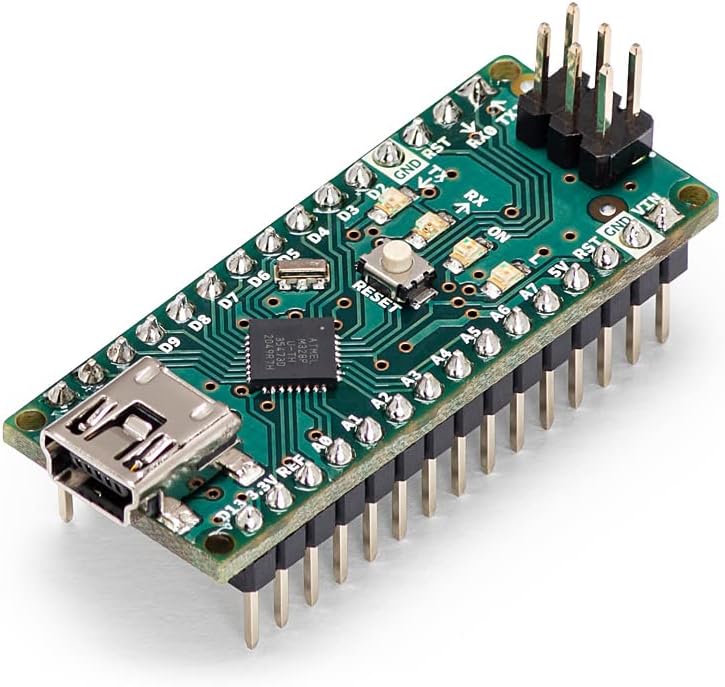


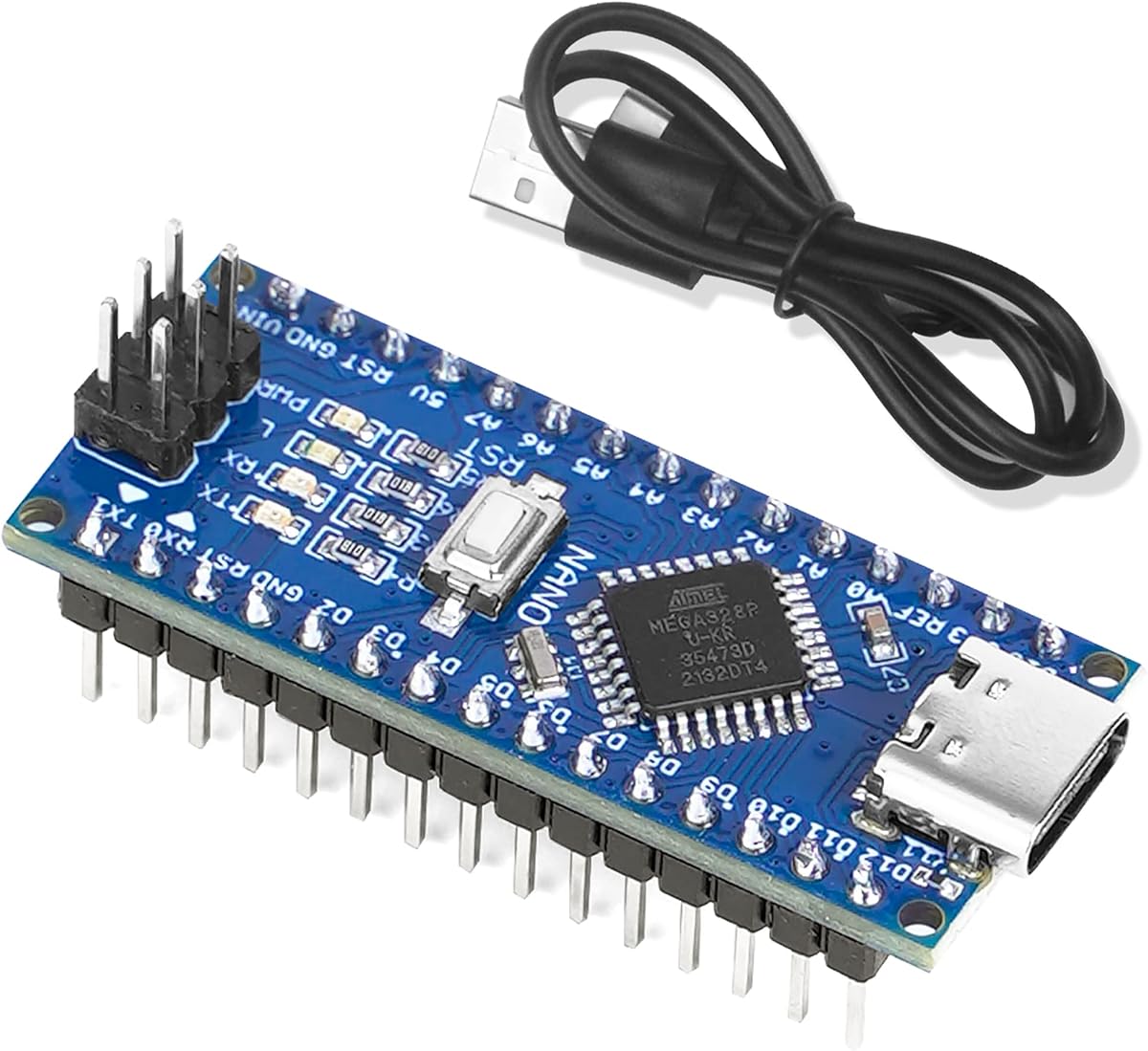
The LAFVIN Nano V3.0 offers an accessible entry point for developers seeking reliable microcontroller performance. With a solid 4.6 rating it stands out for its affordability and broad compatibility with standard Arduino tools.
We may earn a commission when you buy through this link, at no additional cost to you.
This board uses the ATmega328P paired with a CH340G USB driver ensuring smooth communication across Windows Mac and Linux systems. The included USB cables facilitate immediate prototyping without extra hardware purchases.
While it lacks the official Arduino certification the functionality remains identical to standard Nano boards. Users note the compact form factor fits easily into tight spaces for wearable or portable projects.
This option is ideal for students and hobbyists needing multiple units for classroom or testing purposes. Its proven track record makes it a safe bet for foundational electronics projects.
Buying three boards at once reduces the cost per unit significantly for group projects.
The CH340G chip ensures drivers are widely available and easy to install on all major OS.
We may earn a commission when you buy through this link, at no additional cost to you.
As the official Arduino Nano this model sets the benchmark for reliability and standard compliance. It retains the classic design that millions of users trust for various embedded system applications.
We may earn a commission when you buy through this link, at no additional cost to you.
The board features 14 digital I/O pins and 8 analog inputs providing versatile connectivity for sensors and actuators. Its compact size allows seamless integration into wearable tech and small robots.
While the price is higher than clones the assurance of genuine hardware quality is valuable for professional projects. It works flawlessly with the Arduino IDE and thousands of community libraries.
Buyers looking for guaranteed quality and long-term support will find this model the most dependable choice. It remains the go-to for serious engineering and academic research tasks.
Official boards receive priority support and documentation updates from the Arduino organization.
Genuine components ensure consistent performance and durability over extended project timelines.
We may earn a commission when you buy through this link, at no additional cost to you.
ELEGOO delivers a modern take on the classic Nano with a USB-C interface that simplifies connectivity. The presoldered headers save time during assembly and ensure immediate readiness for breadboarding.
We may earn a commission when you buy through this link, at no additional cost to you.
This set includes three boards allowing multiple users to work simultaneously without waiting for supplies. The USB-C cable ensures durable connections for power and data transfer during testing phases.
While it lacks advanced memory enhancements it fully supports existing Arduino sketches and libraries. The compact design fits neatly into space-constrained environments like portable devices.
Users who value convenience and modern standards will appreciate the USB-C upgrade and ready-to-use features. It is an excellent choice for educational kits and maker groups.
Reversible USB-C connector simplifies cable management and future-proofs your setup.
Pre-soldered headers eliminate the need for additional assembly before starting projects.
We may earn a commission when you buy through this link, at no additional cost to you.
The Arduino Nano Every upgrades the classic platform with a more powerful ATmega4809 microcontroller. It offers significantly increased memory and processing speed for complex applications and data handling.
We may earn a commission when you buy through this link, at no additional cost to you.
With 48KB flash and 6KB SRAM it handles larger codebases and more variables without performance loss. This makes it suitable for advanced robotics and automation tasks requiring precise control.
The 20 digital I/O pins provide extra connectivity options for additional sensors and actuators. Full compatibility with the Arduino IDE ensures a smooth transition from older Nano models.
Engineers needing better performance within the same compact form factor should consider this upgrade. It balances legacy support with modern efficiency improvements effectively.
Doubled SRAM allows for more complex logic and data processing during runtime.
Seamlessly works with existing shields and legacy code with minimal reconfiguration.
We may earn a commission when you buy through this link, at no additional cost to you.
The Arduino Nano ESP32 brings powerful wireless capabilities to the compact Nano form factor. Powered by the ESP32-S3 chip it supports both Wi-Fi and Bluetooth 5.0 for seamless IoT integration.
We may earn a commission when you buy through this link, at no additional cost to you.
This board runs at up to 240 MHz allowing for real-time data processing and machine learning tasks. The support for MicroPython makes it accessible to developers preferring high-level languages.
USB-C connectivity ensures reliable power and data transfer during development. The HID support allows unique applications like custom keyboards or controllers interacting directly with computers.
Ideal for smart home and remote sensor projects this premium option delivers advanced features unmatched by standard models. It bridges the gap between simple microcontrollers and full IoT solutions.
Native Wi-Fi and Bluetooth eliminate the need for extra communication modules.
MicroPython compatibility speeds up development cycles for experienced programmers.
We may earn a commission when you buy through this link, at no additional cost to you.
This two-pack provides an economical solution for users requiring multiple USB-C enabled Nano boards. It retains the essential features of the classic Nano while updating the connector for modern usage.
We may earn a commission when you buy through this link, at no additional cost to you.
The CH340G chip ensures stable serial communication across all major operating systems. Users benefit from the reversible USB-C port which simplifies plugging in during prototype testing.
While it functions similarly to standard boards the build quality may vary slightly from original parts. However for simple educational or hobby projects it performs reliably and consistently.
Budget-conscious buyers needing USB-C connectivity will find this pack a practical choice. It offers excellent value for basic learning and experimental setups.
USB-C port allows reversible connection and potential for higher power delivery.
Two units allow for backup boards or simultaneous testing of different designs.
We may earn a commission when you buy through this link, at no additional cost to you.
This three-piece set offers a high quantity option for classrooms or extensive prototyping needs. The inclusion of USB-C ports updates the legacy design with modern convenience standards.
We may earn a commission when you buy through this link, at no additional cost to you.
Each board features the ATmega328P ensuring compatibility with standard Arduino sketches and libraries. The automatic power source switching allows seamless transition between USB and external power supplies.
Users appreciate the compact size which fits into tight enclosures for final product builds. The included cables ensure immediate setup without needing to source compatible connectors separately.
For teams needing multiple identical units this bundle provides cost-effective flexibility. It is well suited for educational environments where reliability and affordability are paramount.
The board detects the highest voltage source to power the system efficiently.
Three units support multiple team members working on different project phases.
We may earn a commission when you buy through this link, at no additional cost to you.
The Arduino Nano R4 represents a significant leap forward with its Renesas RA4M1 microcontroller. It offers substantial memory increases allowing for complex applications previously impossible on this form factor.
We may earn a commission when you buy through this link, at no additional cost to you.
The onboard programmable RGB LED provides visual feedback for debugging and user interaction states. The Qwiic connector simplifies connecting sensors and actuators without complex wiring configurations.
With 32KB RAM and 256KB Flash it handles data intensive tasks with ease. Pre-soldered headers ensure instant breadboard readiness for rapid prototyping workflows.
Advanced makers looking for modern features and robust performance will appreciate this premium model. It is ideal for production-ready prototypes and advanced embedded systems.
The memory upgrade supports complex state machines and large data logging.
Qwiic connector enables plug-and-play access to many I2C modules without soldering.
We may earn a commission when you buy through this link, at no additional cost to you.
This version of the Arduino Nano R4 offers flexibility for custom PCB designs and embedded integration. It features the same powerful Renesas RA4M1 chip as the headered version.
We may earn a commission when you buy through this link, at no additional cost to you.
The castellated edges allow direct soldering onto a custom board for seamless integration. Users who prefer custom layouts will value the included loose male header pins.
While it requires assembly the performance remains identical to the pre-soldered counterpart. It provides access to the same 32KB RAM and advanced debugging features.
Engineers building custom hardware will find this option practical for embedding into larger systems. It balances performance with integration flexibility for specialized applications.
Castellated edges facilitate direct soldering for compact permanent installations.
Loose pins allow users to configure headers exactly where needed.
We may earn a commission when you buy through this link, at no additional cost to you.
The OSOYOO Nano Module is designed for extreme space-constrained applications without sacrificing features. It functions identically to the standard Nano but utilizes a USB-C interface for durability.
We may earn a commission when you buy through this link, at no additional cost to you.
Automatic power source switching simplifies external power connections without needing jumpers. The 14 digital I/O pins provide ample connectivity for sensors and actuators in tight layouts.
Users find the compact size ideal for wearable projects where space is limited. The USB-C port ensures modern connectivity standards are met without extra adapters.
For applications prioritizing minimal footprint this module offers a reliable solution. It is well suited for wearable tech and portable embedded systems.
Minimal size allows integration into wearable or portable enclosures.
USB-C provides reversible connection and modern power standards.
We may earn a commission when you buy through this link, at no additional cost to you.
Selecting the right board depends on your project requirements and technical needs.
Performance is determined by the MCU model and clock speed. Boards like the Nano Every offer faster processing while classic models provide basic reliability.
Consider your project complexity when choosing between ATmega328P and newer chips.
Flash and SRAM limits dictate how complex your code can be. Larger projects require boards with expanded memory like the R4 or Every models.
Check memory specs if you plan on extensive data logging or logic tasks.
USB-C is becoming standard for better durability and power. Bluetooth and Wi-Fi models enable wireless data transfer and remote control capabilities.
Choose based on whether you need wired only or wireless connectivity features.
Drivers vary by chip model affecting compatibility with Windows or Linux systems. Ensure your board works with your development environment before purchasing.
Check manufacturer documentation for specific OS driver requirements to avoid issues.
The number of digital and analog pins determines how many components you can connect. Higher counts allow for more complex sensor arrays and motor controls.
Review pin layouts to ensure you have enough connections for your hardware.
Voltage ranges and power supply methods vary across different models. Some boards support external power sources while others rely solely on USB.
Ensure your power supply matches the board input requirements for safe operation.
Breadboard friendly headers are convenient for prototyping. Some models offer castellated edges for direct PCB integration and custom assembly.
Select the design that best fits your project build requirements and tools.
Official boards often have better documentation and community libraries. Third-party clones might lack official support but remain compatible with code standards.
Prioritize official models for complex projects requiring reliable documentation and support.
Connect your board to your computer via USB or USB-C and install necessary drivers. Open the IDE and select the correct board and port in the tools menu.
Ensure proper power supply during operation to prevent voltage drops. Use regulated external power for projects with high current components like motors.
Store boards in static-free packaging to protect sensitive electronics. Avoid bending the pins excessively to maintain reliable connections on your projects.
Yes almost all models including clones and official boards work with the Arduino IDE. You simply need to select the correct board type in the tools menu before uploading code.
USB-C is reversible and offers better durability and power delivery. Mini-B is an older standard found on classic models while newer clones and official boards often use USB-C.
Only specific models like the Nano ESP32 include built-in Wi-Fi and Bluetooth. Standard models require external modules like ESP01 or nRF to add wireless capabilities to your project.
Drivers can be downloaded from the manufacturer website. Most modern systems install them automatically but you may need to manually install them if the port does not appear.
Most boards accept 7 to 12 volts on the VIN pin. Ensure your external supply is regulated to prevent damage to the onboard voltage regulators during operation.
Official and some premium models come with pre-soldered headers for easy use. Some specialized versions may require you to solder loose pins onto the board for specific mounting.
The top picks offer a range of options from budget friendly clones to powerful premium models. Each meets the core needs of the Arduino ecosystem with unique enhancements.
Prioritize memory and connectivity features if your project requires advanced functionality. Official boards ensure quality while clones provide excellent value for prototyping.
Always verify current product details before buying as specifications may change over time. Choose the model that aligns best with your specific development needs.